If you plan to perform as a DJ or live act in Bali or Jakarta, you will find that Indonesia does not offer a single visa category specifically designed for international performers. Foreign DJs generally use the Music Performance Visa (C7A) or, for longer engagements, the Artist KITAS (E23R).
Choosing the wrong visa can cause event delays, scheduling issues, or even lost payments. ILA Global Consulting will help you find the right visa so you can secure your booking and focus on your performance.
Why DJs Fall Into a Different Visa Category Than Tourists
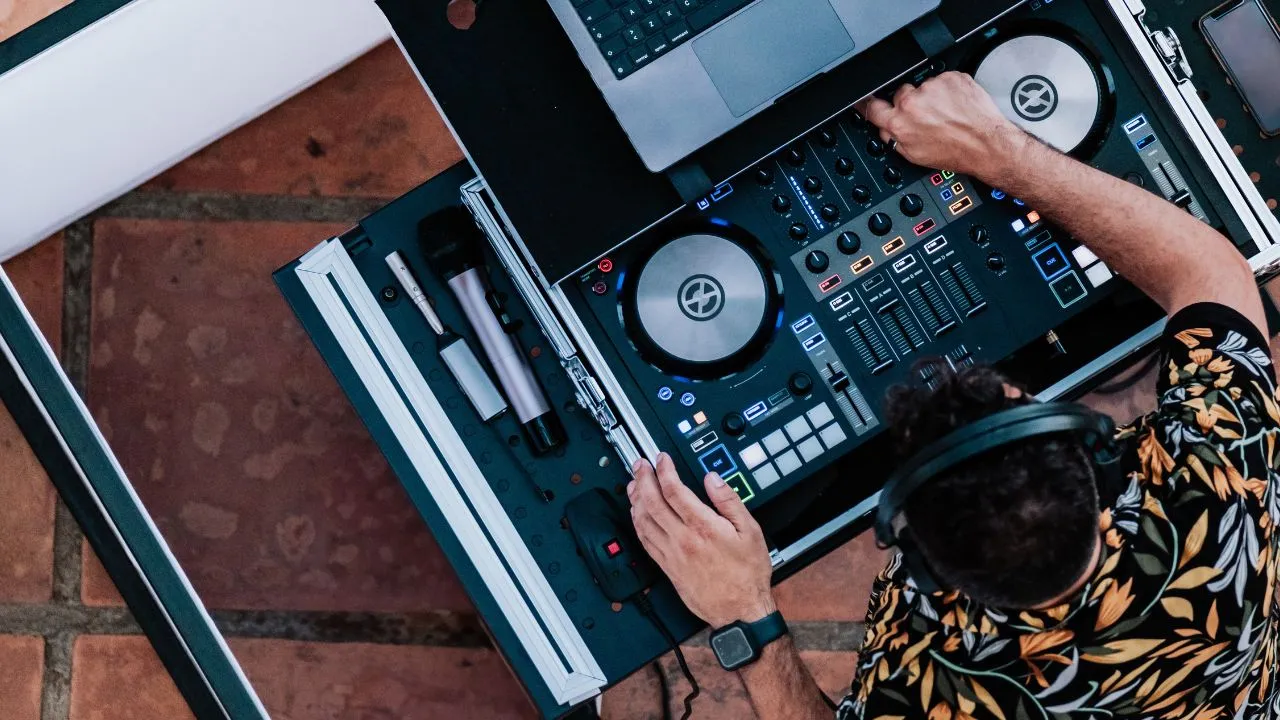
A performer earning income from a show in Indonesia cannot rely on a standard tourist visa or visa-free entry, even for a single set. Indonesian immigration law treats paid performance as work-related, so it requires a visa category specifically for artistic and cultural work.
Paid performances fall under the seni dan budaya or arts and culture visa group. This group has different sub-categories for musicians, crew members, and other types of performers.
Touring DJs can choose from three main visa options: the short-term single-entry Music Performance Visa (C7A), the multiple-entry D7 visa, or the longer-term Artist KITAS (E23R).
If a promoter assumes a visit visa is enough or a performer arrives on the wrong visa for a multi-city tour, the headliner could be missing, and the show might be canceled. Having the right visa from the start helps your event run smoothly.
| Term | Definition |
|---|---|
|
KITAS (Limited Stay Permit) |
An Indonesian limited stay permit issued to eligible foreign nationals, allowing them to reside in Indonesia for a specific purpose and period, such as employment, investment, family reunification, retirement, or other activities permitted under Indonesian immigration law. |
| Visa-Free Entry | An immigration facility that allows eligible foreign nationals from designated countries to enter Indonesia without obtaining a visa before arrival, subject to specific entry purposes, permitted activities, and maximum stay periods established under Indonesian immigration regulations. |
Short-Term Options: C7A, C7B, C7C, and D7
If you are coming to Indonesia for a single show, short engagement, or small festival, a short-term visit visa from the C7 family is usually the best choice.
- C7A (Music Performance Visa) covers musicians, singers, DJs, and band members performing live in Indonesia.
- C7B is issued to supporting crew for a music performance, such as sound engineers or tour technicians.
- C7C covers other performing talent, including artists, chefs, instructors, and practical demonstration performers.
- D7 is the multiple-entry version of the same visa family, for performers who need to enter and exit Indonesia more than once within a short touring window. This includes playing shows across neighboring countries in the same trip.
These visas are purpose-built for performers. While you can enjoy some sightseeing or visit friends and family during your stay, the main focus must remain on your scheduled performances.
However, immigration authorities make it clear that you cannot use this visa to take a job with an Indonesian person or company. Any payment must be directly for your performance.
All of these visas require a sponsor. Depending on your booking, the sponsor will be either the event organizer or the agency that is bringing you to Indonesia.
When Should You Choose the Artist KITAS (E23R)?

The C7 visa family is suitable for a single performance or a short tour in Indonesia. For performers planning a longer stay, the Artist KITAS (E23R), also called the Impresariat or Entertainment KITAS, is the right option.
The Artist KITAS is designed for foreign professionals in the entertainment and creative industries who need to work in Indonesia for an extended period. This includes DJs, musicians, models, dancers, actors, art directors, and other performers.
With the Artist KITAS, you can travel in and out of Indonesia as often as needed while your visa is valid. This option is best for performers who have ongoing residencies, long-term contracts, or several bookings.
Applying for the Artist KITAS involves more formalities than a short-term visa. You will need a valid work permit, and your sponsor must have the license to bring foreign entertainers into Indonesia. Preparing these documents in advance helps avoid delays.
What You Will Generally Need to Apply
Visa documentation requirements depend on the visa type and your sponsor. Most applications in this category need two main sets of documents.
Performers must provide a passport valid for at least 6 months. You also need a recent photograph, proof of funds for your stay in Indonesia (usually a bank statement from the last three months), and documents confirming your professional activity, such as a signed performance contract, CV, or portfolio.
Sponsor requirements vary depending on the visa type. For short-term C7 and D7 visas, the event organizer must provide an invitation or sponsorship letter and event details. Additional supporting documents for musicians and support crew include a signed performance contract, performance agreement, or other invitation documents between the performer and organizer.
For the Artist KITAS, the sponsor must have an entertainment-sponsorship license, plus the company’s business license and tax registration.
Document formats and extra requirements can change depending on your nationality, contract terms, and sponsor. To avoid delays or rejected applications, ILA Global Consulting can review your booking and confirm what you need before you start preparing documents.
What These Visas Do Not Allow
No matter which visa category you use, the same clear boundaries apply.
- These visas do not allow you to take on local employment beyond your approved performance activities.
- You cannot use these visas to start or operate a business in Indonesia.
- If you hold a short-term C7 or D7 visa, you cannot switch to another visa type while in Indonesia.
- As a performer, you must ensure your on-stage or on-camera content complies with Indonesian law and public standards. Authorities have made clear that any conduct outside accepted norms can put your stay permit at risk.
How Long Are These Visas Valid?
Validity and length of stay are not the same, but performers sometimes confuse them when planning a tour.
- C7A, C7B, C7C: single entry, up to 30 days of stay per entry, and not extendable. These visas cannot be extended. You must enter Indonesia within 90 days of the visa being issued, or the visa will expire unused.
- D7: multiple entries, with each stay capped at 30 days from the date of arrival, also non-extendable.
- Artist KITAS (E23R): flexible validity of up to 6 months, with multiple entries and exits permitted throughout. It is not extendable, but it can be renewed through a fresh application after the current permit is formally closed.
None of these visas can be changed automatically to a different type. If your tour plans change while you are in Indonesia, like adding more shows or staying longer, you will usually need to submit a new application instead of just upgrading your visa.
Choosing the Right Visa Before You Book
Choosing the correct visa for a DJ or performer starts with understanding your booking type. A single show, a short tour across several cities, or a longer residency each requires a different visa category.
Applying under the wrong visa category or working with an unlicensed sponsor can lead to delays or last-minute cancellations.
The correct visa depends on your contract terms and your sponsor’s licensing. Before confirming travel, let ILA Global Consulting review your booking to ensure you are on the right track.
ILA Global Consulting will review your itinerary, recommend the right visa for your performance schedule, and manage the sponsorship and application process from start to finish. Reach out to us to keep your event plans moving forward.
Frequently Asked Questions
Yes, but not on a tourist visa. The C7A Music Performance Visa is designed for this: it allows payment for the performance while keeping the stay short and focused. A standard tourist visa or visa-free entry does not cover paid performances.
The C7A is a single-entry, 30-day, non-extendable visa meant for one-off or short touring engagements. The Artist KITAS (E23R) allows multiple entries over a period of up to 6 months and suits performers with a longer residency, a recurring contract, or an extended series of bookings.
Yes. Supporting crew fall under the C7B index rather than C7A, which is reserved for the performers themselves. Both require sponsorship tied to the same event or contract.
No. Both are non-extendable. If your schedule grows beyond the original stay, a new application under the appropriate visa category is required.
Only a sponsor holding a specific license to bring foreign entertainers into Indonesia can apply on a performer’s behalf. Not every event organizer or agency holds this license, so it is worth confirming before relying on a promoter to handle the paperwork. ILA Global Consulting can advise on sponsorship arrangements and help structure the application correctly.