Bali and Lombok have become two of Indonesia’s leading destinations for wellness tourism. Their natural beauty, long-standing wellness traditions, and strong tourism infrastructure make them great places for investors looking to open spas, retreats, healing centers, or other health-focused businesses.
Wellness tourism is expanding rapidly, outpacing the broader tourism industry. For foreign investors, success in this sector depends on more than spotting a trend. You need to choose the right company structure, secure all required licenses, and obtain the correct visa to operate legally in Indonesia. Addressing these steps early will keep your project on track.
This guide covers the types of wellness businesses you can set up in Bali and Lombok, common PT PMA and KBLI classifications, the licenses you need before starting, visa options for business owners and foreign staff, and a comparison of Bali and Lombok as business locations.
Why Are Bali and Lombok Attracting Wellness Investors?
Bali is widely known for its wellness tourism, with a well-established ecosystem of yoga retreats, traditional healing practices, and spa businesses.
Recently, the wellness sector has grown beyond spa services. It now includes wellness retreats, longevity programs, biohacking, contrast therapy, and digital detox experiences.
Lombok is also attracting more investors seeking opportunities outside Bali. With new tourism projects, government-supported infrastructure, and the Mandalika Special Economic Zone, Lombok’s hospitality and wellness sectors are growing quickly.
While Bali and Lombok have different markets, businesses on both islands must follow the same Indonesian rules for companies, licenses, and immigration. Understanding these legal requirements is important before starting operations.
What Counts as a Wellness or Healing Business?
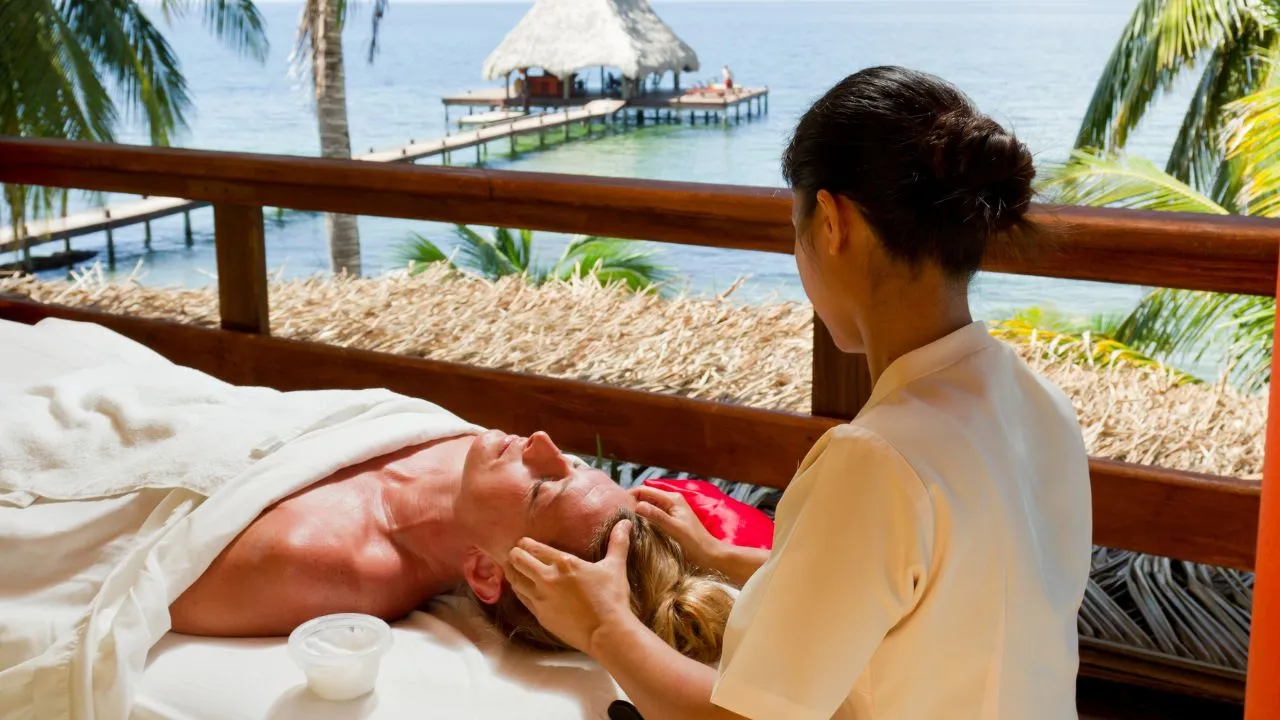
Before selecting a business structure or applying for licenses, you should first determine how your business will operate. The services you provide will determine the applicable KBLI classification, licensing requirements, and, in some cases, the regulatory framework that applies to your business.
Most wellness and healing businesses in Bali and Lombok fit into one of these categories:
- Spas and body care centers that provide services like massage, hydrotherapy, aromatherapy, and facial treatments.
- Wellness retreats that offer accommodation along with programs like yoga, breathwork, meditation, or nutrition for one or more days.
- Healing centers that offer traditional or holistic therapies as part of a larger wellness program.
- Medical-adjacent wellness facilities, which may include services like longevity programs, diagnostic assessments, cryotherapy, or hyperbaric oxygen therapy.
Each type of business has its own KBLI classification and licensing requirements. Registering an incorrect KBLI or operating outside your approved business scope can lead to licensing and compliance issues.
How Do You Set Up a Wellness Business Legally?
Foreign investors cannot legally operate a wellness or healing business through informal arrangements or nominee structures. Establishing a PT PMA (Perseroan Terbatas Penanaman Modal Asing) is the proper legal structure for conducting commercial business activities in Indonesia.
The next step is selecting the appropriate KBLI (Klasifikasi Baku Lapangan Usaha Indonesia) codes. These business classification codes determine the activities your company is legally permitted to carry out and form the basis for your licensing requirements.
Indonesia has updated its KBLI classifications under BPS Regulation No. 7 of 2025. Following the government’s transition to KBLI 2025, new company registrations should use the updated classification. Existing businesses may also need to update their classifications in accordance with OSS implementation requirements. Make sure you use the latest KBLI codes when setting up your PT PMA to avoid delays or compliance issues.
For spa, sauna, and steam bath businesses, KBLI 96230 (Aktivitas Sante Par Aqua/SPA) is typically the correct classification. If your business offers traditional massage, reflexology, shiatsu, hypnotherapy, or similar alternative therapies, you should use KBLI 86995 (Aktivitas Rumah Pijat).
If your wellness business provides accommodation, you must use the correct classification for the lodging type. Hotels are classified under KBLI 55101 to 55106 by star rating, while glamping falls under KBLI 55209.
The codes you choose, or the combination you use, should match how your business is set up and licensed. ILA Global Consulting can help you determine the right KBLI codes and guide you through the licensing process before you start operating.
Capital requirements should be considered during planning. Under BKPM Regulation No. 5 of 2025, the minimum paid-up capital for a PT PMA is IDR 2.5 billion, and the IDR 10 billion investment plan per KBLI still applies. These thresholds also determine visa options for foreign investors.
| Term | Definition |
|---|---|
|
KBLI (Klasifikasi Baku Lapangan Usaha Indonesia) |
Indonesia’s official business classification system used to determine the scope of permitted business activities, foreign ownership restrictions, licensing requirements, and risk-based business classifications. |
| Paid-Up Capital | Capital that shareholders have fully contributed to a company and that is available to support its business operations. |
What Licenses Does a Wellness Business Need?

Registering a PT PMA and getting a Business Identification Number (NIB) are just the beginning. The licenses you need will depend on what your business does and its OSS RBA risk classification.
Besides an NIB, wellness and healing businesses usually need the following licenses before starting operations:
- Sertifikat Standar (Standard Certificate) is the main operational license for many wellness and spa businesses.
- Tourism Business Certificate (TBC/TDUP) is needed if your business falls under the tourism business classification.
- Building Approval (PBG) and Certificate of Proper Function (SLF) show that your premises meet Indonesia’s building and safety standards.
- Environmental approvals for businesses that generate wastewater or use chemicals in their operations.
- Health and hygiene approvals from the local Dinas Kesehatan, together with BPOM registration for cosmetic, skincare, oils, or other products used or sold as part of the business.
Businesses that manufacture, use, or sell cosmetic and skincare products must ensure their products comply with BPOM requirements before starting operations.
In addition to these operational licenses, every PT PMA must also fulfill its ongoing corporate compliance obligations, including submitting Quarterly Investment Activity Reports (LKPM) through the OSS system.
If you need help getting the right licenses for your wellness business, ILA Global Consulting can guide you through the process and ensure your business complies with applicable regulations.
| Term | Definition |
|---|---|
|
Standard Certificate (Sertifikat Standar) |
A legal licensing document issued through Indonesia’s OSS system as a business’s commitment to complying with the operational standards established by the Indonesian Government for its approved business activities. |
|
PBG (Persetujuan Bangunan Gedung) |
Indonesia’s building approval issued by the local government, authorizing the construction, alteration, expansion, or change in the use of a building in accordance with applicable regulations. |
|
SLF (Certificate of Proper Function) |
A certificate confirming that a completed building complies with technical, safety, and functional requirements and is legally fit for use. |
|
BPOM (National Agency of Drug and Food Control) |
Indonesia’s regulatory authority responsible for supervising the safety, quality, efficacy, and distribution of medicines, cosmetics, processed foods, and certain health-related products. |
|
LKPM (Laporan Kegiatan Penanaman Modal) |
A mandatory Investment Activity Report submitted periodically through Indonesia’s OSS system to report investment realization and business activities. |
What Visa Do You Need to Open a Wellness Business?
Setting up a company and getting permission to live and work in Indonesia are two different legal steps. Registering a PT PMA does not automatically let you manage the business. The right visa for you depends on your role in the company.
| Role | Visa/Permit | Key requirement |
| Foreign owner managing the business | Investor KITAS (E28A) | Personal shareholding of at least IDR 10 billion in the PT PMA, plus a director or commissioner position |
| Investor still scouting locations or partners | Pre-investment visa (D12) | Visa for site visits, meetings, and feasibility research before the company exists |
| Foreign therapist or wellness specialist hired as staff | Work KITAS, sponsored via RPTKA approval | Role must be justified as training, expertise, or specialization not readily available locally |
| Local Indonesian therapists | LSK competency certification | Certified under the Ministry of Tourism and Creative Economy’s accredited vocational bodies |
Most foreign business owners find the Investor KITAS (E28A) to be the best option. This visa allows eligible shareholders who are directors or commissioners to manage their company in Indonesia without a separate work permit. The Investor KITAS is valid for one or two years and can be renewed.
To maintain an Investor KITAS, the PT PMA must comply with Indonesia’s corporate and investment regulations. This includes maintaining the required investment, keeping licenses valid, and submitting mandatory LKPM reports.
If a company is set up just to get a stay permit and does not run real business activities, it risks losing both its compliance status and the stay permit.
If you want to hire foreign therapists or wellness specialists, there are extra employment steps to follow. Before you can get a Work KITAS, your company needs an approved RPTKA (Foreign Worker Utilization Plan). The position should require specialized skills or training not easily found among qualified Indonesian professionals.
ILA Global Consulting can help you find the right visa for your role in the business, whether you are starting the company as an investor, working as a director, or hiring foreign specialists.
| Term | Definition |
|---|---|
|
KITAS (Limited Stay Permit) |
An Indonesian limited stay permit issued to eligible foreign nationals, allowing them to reside in Indonesia for a specific purpose and period, such as investment, employment, family reunification, or other activities permitted under Indonesian immigration law. |
|
RPTKA (Foreign Worker Utilization Plan) |
A manpower utilization plan approved by Indonesia’s Ministry of Manpower that authorizes an employer to hire foreign workers for specific positions. |
|
LSK (Lembaga Sertifikasi Kompetensi) |
An accredited professional certification body authorized to assess and certify occupational competencies in accordance with Indonesia’s national competency standards. |
Bali or Lombok: Which Is the Better Location?
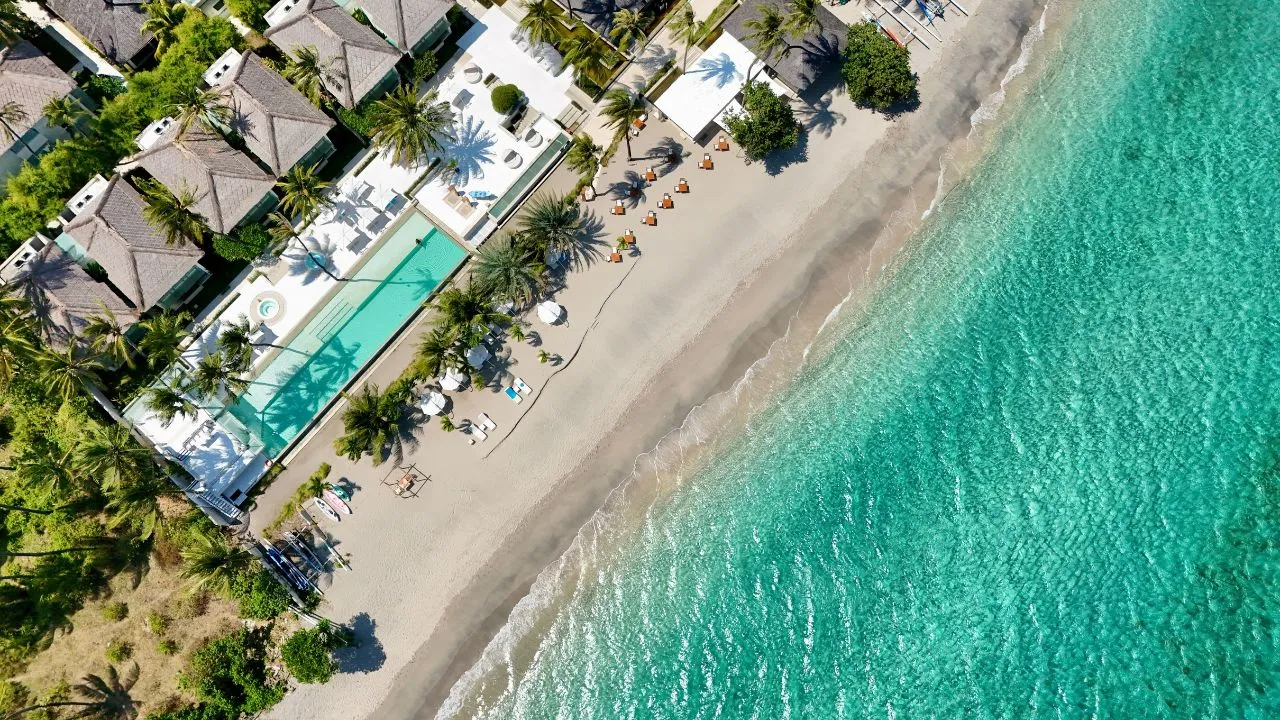
Both Bali and Lombok offer opportunities for wellness businesses, but each market has different characteristics.
Bali has an established international reputation for wellness tourism and offers access to a mature market with strong demand for spas, retreats, and holistic wellness services. However, investors should consider the higher competition and additional regulatory considerations affecting certain PT PMA business activities.
Lombok is attracting more investment, driven by tourism growth, government-backed infrastructure, and the Mandalika Special Economic Zone. These developments create new opportunities for wellness businesses, especially those seeking larger sites or integrated retreat facilities.
Regardless of the destination you choose, the legal requirements for company establishment, licensing, and compliance remain the same. Investors should verify local zoning regulations to ensure the property can legally be used for commercial or tourism activities.
For a more detailed comparison, see our guide to setting up a business in Lombok and our analysis of the latest investment trends in Bali and Lombok.
Getting It Right From the Start
In the wellness industry, investors who handle licensing and immigration from the start create stronger and more resilient businesses. Treat these requirements as core parts of your business plan.
A KBLI mismatch, missing BPOM registration, or an Investor KITAS linked to a non-operational company can halt your business even after you invest in your villa, branding, and staff.
ILA Global Consulting works with foreign investors across Bali and Lombok on company setup, licensing, and visa strategy, structured around your specific wellness concept needs.
If you are ready to move from concept to a compliant, operating business, book a consultation with ILA Global Consulting before signing a lease or committing capital.
Frequently Asked Questions
Yes, in most cases. The spa and wellness sector is generally open to full foreign ownership under Indonesia’s Positive Investment List, though some specific activities may carry capital or technical conditions depending on the KBLI codes you register.
Yes. The D12 pre-investment visa is designed for this exact stage, covering site visits, feasibility research, and partner meetings before your PT PMA exists.
Both your business license and your stay permit are at risk. Immigration and BKPM now check that a PT PMA tied to an Investor KITAS has real capital deployed, current licenses, and up-to-date LKPM reporting.
Yes, but additional requirements apply. Foreign therapists generally require a Work KITAS, and the employer must first obtain an approved RPTKA (Foreign Worker Utilization Plan). The position should demonstrate specialized expertise or a training function that cannot readily be fulfilled by qualified Indonesian workers.
It depends on your concept. Lombok offers lower costs and strong government backing for tourism infrastructure, which suits larger retreat or longevity concepts, while Bali still offers higher foot traffic for smaller, established wellness formats. Speak with ILA Global Consulting to assess which fits your investment plan.