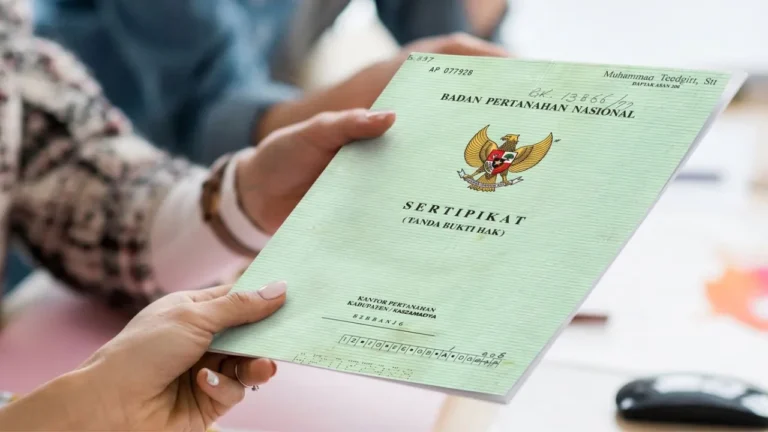
Buying property in Indonesia, particularly in Bali, typically involves clear expectations, such as a defined handover date, agreed-upon specifications, and a completed unit ready for use or investment.
In practice, delays in property handover are one of the most common issues faced by buyers. Projects sometimes run past the agreed timeline or are delivered below the promised standard.
This often creates uncertainty, especially when payments have already been made, and the developer’s communication becomes inconsistent.
This article outlines the main reasons for delays, how your agreement type shapes your options, and the steps you can take if a developer misses the deadline.
Why Do Property Handover Delays Happen in Indonesia

Most property developments in Indonesia rely on a pre-sale model, where construction is partially funded by buyer payments. While this accelerates project launches, it also exposes buyers to execution risk.
Delays in property handover usually result from weak on-site project management. When developers, contractors, and suppliers are not closely coordinated from the start, problems go unnoticed until deadlines have already been missed.
Common causes of delays include:
- Cash flow constraints affecting construction progress
- Overly optimistic timelines during the sales phase
- Contractor-related issues, including material delays and on-site coordination problems
- Delays in permits, licensing, or regulatory approvals
- Changes in project scope, design, or specifications
- Shortage of skilled labor or workforce limitations
Construction timelines depend largely on contractor performance. Delays often result from inconsistent workmanship, late material deliveries, or poor coordination. Developers may have limited contractual leverage over contractors, making it harder to enforce deadlines and prolonging delays.
External factors such as weather conditions or regulatory changes may also affect progress. However, these are not always the primary cause, even when they are presented as justification.
Unclear communication is another common issue. When updates are late or inconsistent, buyers do not receive reliable information once the handover date has passed.
What Does Indonesian Law Say About Delayed Property Handover

Under Indonesian civil law, failure to deliver a property within the agreed timeframe constitutes wanprestasi (breach of contract) under Article 1243 of the Civil Code (KUHPerdata).
Your rights and obligations will depend on whether the transaction is structured as a sale and purchase agreement or a lease.
A lease, as defined in Article 1548 of the Civil Code, gives you the right to use and control a property in exchange for payment, but not to own it. This distinction matters: a lease is about use, not ownership.
Key legal principles include:
- Binding Nature of Contracts (Article 1338)
Agreements are legally binding and must be fulfilled as agreed. - Pacta Sunt Servanda and Good Faith
Agreements must be executed as written, and both parties are expected to act in good faith in fulfilling their obligations. - Legal Consequences of Breach
A party in breach may be required to pay compensation, reimburse losses, transfer risk, or cover legal costs. - Requirement of Somasi (Formal Notice)
Before initiating legal action, the buyer must issue a formal warning (somasi) requesting the developer to fulfill its obligations.
Lease agreements in Indonesia require both parties to meet clear obligations. Owners must provide and maintain the property in usable condition. Tenants are expected to use the property properly and pay rent on time.
If the owner fails to deliver the property as agreed or if the property is unusable, this constitutes a breach of contract.
Additional legal frameworks also apply:
- Condominium Law (Law No. 20 of 2011)
Requires physical delivery and legal handover in accordance with the Preliminary Sale and Purchase Agreement (PPJB) for apartment or strata developments. - Consumer Protection Law (Law No. 8 of 1999)
Prohibits failure to meet agreed completion timelines and entitles consumers to compensation if delivery does not match the agreement.
The enforceability of these rights depends heavily on how clearly the agreement defines timelines, responsibilities, and remedies.
| Term | Definition |
|---|---|
| Wanprestasi (Breach of Contract) |
A legal condition where one party fails to fulfill contractual obligations, triggering potential compensation or legal remedies under the Indonesian Civil Code. |
| Pacta Sunt Servanda | A legal principle stating that agreements must be honored as written and are binding on all parties. |
| Somasi | A formal written notice issued to a party in breach, demanding fulfillment of contractual obligations before legal action is initiated. |
| PPJB (Preliminary Sale and Purchase Agreement) |
A binding agreement used in property transactions before final ownership transfer, defining rights, obligations, and handover conditions. |
What Your Property Agreement Actually Protects

The level of protection available to you depends on the type of agreement used in the transaction. This may take the form of a sale and purchase agreement, such as a PPJB, or a lease agreement, both of which are commonly used in Indonesia, depending on the ownership structure.
In Bali, where many foreign buyers are involved, transactions are often structured under leasehold agreements.
Each agreement should clearly specify the price, scope of delivery, and handover conditions. It should also define each party’s responsibilities and the consequences if those obligations are not met.
A solid lease agreement will set out the property details, lease period, payment terms, and who is responsible for what. These terms control how the property is used and what recourse you have if the property is not delivered as agreed.
Many agreements are written to benefit the developer or property owner. Buyers and tenants should insist on clear, specific terms from the outset. This is especially important in lease agreements, where unclear clauses can make enforcement difficult.
Typical protections may include:
- Alignment with agreed specifications, design, and promised features
- Clear identification of the property, including size, facilities, and condition
- A defined handover timeline
- A grace period before penalties apply
- Payment structure, including rent, deposits, and schedule
- Maintenance responsibilities and utility obligations
- Termination and renewal provisions
- Force majeure provisions
- Dispute resolution mechanisms
Unclear, incomplete, or overly flexible clauses make it much harder to enforce your rights.
| Term | Definition |
|---|---|
| Handover Clause | A contractual provision defining the timeline, conditions, and standards required for property delivery. |
| Grace Period | An additional timeframe after the agreed handover date during which penalties may not yet apply. |
| Force Majeure | A clause covering extraordinary events beyond control that may justify delays if clearly defined in the agreement. |
| Dispute Resolution Clause | A contractual mechanism outlining how conflicts will be resolved, such as through negotiation, mediation, or legal proceedings. |
What to Do If Your Developer Delays the Handover

If the handover deadline has passed, your response should be structured, formal, and documented.
Here are the immediate steps you should take:
1. Review Your Contract Position
Identify the agreed handover date, grace period, and penalty clauses. Carefully review the force majeure clause, as internal issues such as poor management or financial constraints are generally not considered valid justifications.
2. Send a Formal Written Notice
Request clarification on the delay and a revised timeline. Informal communication has limited legal value.
A formal letter or somasi should reference the contract, clearly define the delay, and set a deadline for response.
3. Request Clear Justification
Developers may refer to external factors, but these must align with the contract’s force majeure provisions to be valid.
4. Assess Whether the Delay Is Justifiable
Not all delays are legally acceptable. Internal issues typically constitute a breach of contract.
5. Negotiate Compensation or Adjusted Terms
Depending on the agreement, buyers may request:
- Financial compensation
- Adjusted payment terms
- Additional benefits or project upgrades
6. Escalate If Necessary
If the developer fails to respond or comply:
- Issue a formal legal notice
- Initiate dispute resolution as defined in the contract
- Proceed with civil legal action if required
Taking early action helps preserve your legal position and prevents delays from becoming prolonged.
Can You Cancel the Purchase or Claim Compensation?
The possibility of cancellation or compensation depends on the severity of the delay and the terms of the agreement.
In practice:
- Compensation is the most common outcome when penalty clauses are clearly defined
- Renegotiation may occur with adjusted timelines or revised terms
- Contract termination is possible in cases of clear breach, but typically requires strong contractual support
Indonesian legal practice shows that full refunds are not always straightforward and often require negotiation or formal dispute processes.
| Term | Definition |
|---|---|
| Compensation Clause | A contractual provision specifying financial remedies payable in case of delay or breach. |
| Contract Termination | The legal cancellation of an agreement due to a significant breach, subject to contractual and legal conditions. |
When Should You Take Legal Action

Consider legal action when project delays are no longer manageable and practical solutions have been exhausted.
The indicators include:
- The developer has not provided a clear or reliable timeline for completion.
- Delays continue to occur without a reasonable explanation.
- The developer does not respond to formal requests for updates or clarification.
- The delivered work does not match the agreed specifications in any significant way.
If there are clear signs that the project will not be completed, such as missing permits, unpaid contractors, or unresolved financial issues, the situation may escalate from a civil dispute to a criminal matter.
How to Protect Yourself Before Signing a Property Agreement
Most disputes arise because agreements do not clearly define each party’s rights and obligations from the beginning.
Before committing to a property transaction, it is important to take practical steps to protect your interests:
- Review the agreement with professional legal support
- Ensure penalty clauses are clearly written and enforceable
- Verify the developer or property owner’s track record and project history
- Ensure all specifications, scope of delivery, and property conditions are clearly documented
- Confirm maintenance responsibilities and construction or handover obligations in writing
- Understand the lease term, renewal conditions, and termination clauses, where applicable
- Avoid relying solely on marketing materials or verbal assurances
By taking these preventive measures, you reduce the risk of disputes and are better positioned to resolve issues if they arise.
In Indonesia, property handover delays often result from how the transaction is structured from the beginning, including contract terms, the developer’s track record, and the oversight applied during the project.
The earlier these issues are addressed, the stronger your position in enforcing your rights and negotiating a resolution.
ILA Global Consulting supports property buyers with legal due diligence, agreement review, developer and property owner assessment, transaction structuring, and dispute management, ensuring your investment is secured from acquisition to handover.
Contact ILA Global Consulting to review your property situation and protect your investment before delays or contractual issues escalate further.