Closing a PT PMA (Foreign-Owned Limited Liability Company) in Indonesia involves more than stopping operations or leaving the company inactive. Inactive businesses still face tax, reporting, and compliance obligations.
Many foreign business owners learn of these requirements only after receiving tax penalties or administrative sanctions.
If your company no longer operates, your investment strategy has changed, or the business never launched, it is important to close the PT PMA properly to avoid ongoing legal and financial liabilities.
This article explains the PT PMA liquidation process in Indonesia, the legal steps required, and the key considerations for foreign investors planning to close a company.
What Happens If You Leave a PT PMA Inactive?

Leaving a PT PMA inactive or dormant without formally closing it does not remove its legal status or obligations.
Even if the company no longer operates, it may still be required to:
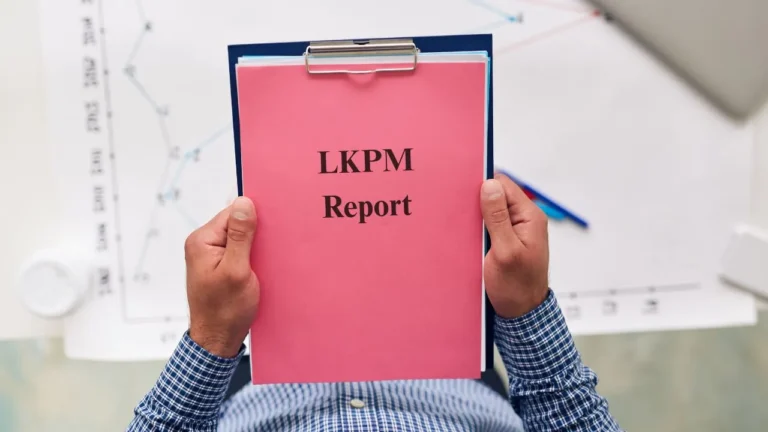
- Submit tax reports and LKPM investment reports
- Maintain corporate compliance obligations
- Respond to government notices or audits
- Update corporate information where required
Failure to comply may result in:
- Administrative sanctions
- Tax penalties and accumulated fines
- Compliance issues for directors or shareholders
- Difficulties in establishing another company in Indonesia
- Issues affecting the KITAS validity and immigration status
- Visa suspension or investment blacklist risks
To formally end these obligations, the company must go through a proper liquidation and dissolution process.
| Term | Definition |
|---|---|
| PT PMA (Foreign-Owned Company) |
An Indonesian limited liability company with foreign shareholding that remains legally active until formally dissolved through liquidation procedures. |
| Dormant Company | A company that has ceased operations but still legally exists and remains subject to tax, reporting, and compliance obligations. |
| Administrative Sanctions | Government-imposed penalties resulting from failure to fulfill corporate, tax, or reporting obligations. |
| Investment Blacklist Risk | Regulatory exposure where unresolved compliance issues may affect future business or visa applications in Indonesia. |
What Laws Govern PT PMA Closure in Indonesia?
Indonesian company law, investment regulations, and tax compliance rules govern PT PMA closure.
The main legal frameworks include:
- Company Law (Law No. 40 of 2007)
- Investment Law (Law No. 25 of 2007)
- BKPM/Ministry of Investment Regulations, including Regulation No. 5 of 2025
In Indonesia, dissolving a company is a formal process that involves liquidation, not merely the cessation of business operations.
Indonesian law recognizes several grounds under which a PT PMA may be dissolved:
- Voluntary Dissolution
Approved through a General Meeting of Shareholders (GMS) with at least a 2/3 majority vote. - Expiration of Company Duration
If the company’s duration, as stated in its Articles of Association, has lapsed, dissolution occurs by operation of law. - Court Order
Including cases involving illegal activities, defects in the establishment, inactivity, shareholder deadlock, or severe financial depletion. - Bankruptcy and Insolvency
When company assets are insufficient to satisfy bankruptcy obligations. - Regulatory Action or License Revocation
If a company’s business license is revoked, the company is obliged to undergo liquidation in accordance with prevailing regulations.
A PT PMA is only considered fully closed after the liquidation process is completed and approved by the relevant authorities.
| Term | Definition |
|---|---|
| Voluntary Dissolution | A company closure process approved through a General Meeting of Shareholders (GMS) with the required voting majority. |
| General Meeting of Shareholders (GMS) | A formal shareholders’ meeting used to approve major corporate actions, including liquidation and dissolution. |
| Bankruptcy and Insolvency | A legal condition where a company’s liabilities exceed its assets or obligations cannot be fulfilled. |
| Regulatory License Revocation | The cancellation of mandatory business permits due to non-compliance or legal violations. |
What Is the Process for Closing a PT PMA in Indonesia?

Closing a PT PMA is a structured legal process designed to ensure that all corporate, financial, tax, and regulatory obligations are fully settled before the company is removed from the registry.
Step 1: General Meeting of Shareholders (GMS)
The shareholders must formally approve the dissolution through a GMS.
This resolution serves as the legal basis for liquidation and must be notarized by a notary through the issuance of the Deed of Dissolution (Akta Pembubaran Perusahaan).
Step 2: Appointment of a Liquidator
A liquidator is appointed to temporarily replace the directors and oversee the closure process.
The liquidator is responsible for:
- Managing company assets
- Settling liabilities and creditor claims
- Handling administrative obligations
- Completing the dissolution process
Step 3: Public Announcement of Liquidation
The company must announce the dissolution in the State Gazette or national newspapers for 30 days.
This serves as official notice to creditors, and the law grants them 60 days to submit claims against the company.
Step 4: Asset Liquidation & Tax Clearance
The liquidator, often assisted by a certified accountant, prepares the liquidation report and settles all liabilities.
This process includes:
- Selling or transferring company assets
- Paying creditors and employee obligations
- Settling taxes and revoking the corporate NPWP
This stage frequently triggers a formal tax audit and is often the most time-consuming part of the process.
Step 5: Final Shareholders’ Meeting & Second Notarial Deed
Once the liquidator completes liquidation and tax clearance, they submit a final report to shareholders for approval at a second GMS. The notary then issues the Akta Pengesahan Laporan Likuidasi and must publish the liquidation announcement again.
Step 6: Final Dissolution of the Company
The company must submit all finalized documents to the Ministry of Law and Human Rights (Kemenkumham).
At the same time, the company must revoke its NIB and business licenses through the OSS/BKPM system.
Once Kemenkumham grants approval, the PT PMA is officially deregistered, and the company ceases to exist as a legal entity.
| Term | Definition |
|---|---|
| Akta Pembubaran Perusahaan (Deed of Dissolution) |
A notarized deed formally recording shareholder approval to dissolve and liquidate the company. |
| Liquidator | A person appointed to manage the company closure, settle liabilities, handle creditors, and complete the liquidation process. |
| State Gazette Announcement | A mandatory public notification informing creditors and third parties of the company’s liquidation process. |
| Tax Clearance | The process of resolving outstanding tax obligations and revoking the company’s NPWP before dissolution is finalized. |
| Akta Pengesahan Laporan Likuidasi | A notarial deed approving the final liquidation report after all liabilities and obligations have been settled. |
How Long Does It Take to Close a PT PMA in Indonesia?
The liquidation process typically takes between 3 and 12 months, depending on the company’s condition and outstanding obligations.
Several factors affect the timeline:
Mandatory Creditor Waiting Period
After the first GMS and newspaper announcement, Indonesian law requires a mandatory 60-day creditor claim period.
Tax Clearance and Audit
Revoking the NPWP often triggers a formal tax audit, which is commonly the longest stage of the process.
Financial and Legal Complexity
Companies with extensive transactions, unresolved liabilities, multiple assets, or operational history generally require more time than dormant entities.
| Term | Definition |
|---|---|
| Creditor Claim Period | A mandatory 60-day period allows creditors to submit claims against the company during liquidation. |
| Tax Audit | A formal examination by tax authorities reviewing company tax compliance before NPWP revocation and closure approval. |
What Happens to Company Assets and Bank Accounts During Liquidation?
During liquidation, the appointed liquidator takes control of the company’s assets and corporate bank accounts.
Under Indonesian law, a PT PMA cannot be dissolved while it still holds unresolved assets or liabilities.
This process may involve:
- Payment of creditors
- Settlement of taxes and liabilities
- Completion of contractual obligations
- Distribution of remaining assets to shareholders
Corporate bank accounts are usually closed only after all obligations have been settled.
Can Foreign Shareholders Close a PT PMA Remotely?

Although no specific regulation exists, parts of the process can be done remotely through authorized representatives.
Shareholders who are not in Indonesia can approve a company’s dissolution without attending a physical meeting. Indonesian law allows this through a shareholder circular resolution (akta keputusan pemegang saham di luar RUPS).
Foreign shareholders may also appoint local consultants or legal representatives to:
- Coordinate with notaries and accountants
- Manage tax audits
- Prepare liquidation documentation
- Submit filings to Kemenkumham and BKPM/OSS
| Term | Definition |
|---|---|
| Shareholder Circular Resolution | A written shareholder approval mechanism that allows corporate decisions to be made without holding a physical meeting. |
| Authorized Representative | A local consultant or legal proxy appointed to coordinate liquidation procedures on behalf of shareholders. |
Common Mistakes When Closing a PT PMA
Foreign investors often face procedural and administrative challenges when closing a PT PMA in Indonesia, which can lead to serious legal and financial consequences.
Here are the most common mistakes to avoid:
- Leaving the company inactive without completing formal liquidation
- Underestimating the Tax Audit and NPWP Revocation
- Ignoring the proper liquidation of assets and debts
- Failing to cancel investor visas (KITAS)
- Skipping mandatory public announcements
If the liquidation process is incomplete, the company can remain legally active after ceasing operations.
How to Prepare Before Closing a PT PMA

Before initiating liquidation, several preparations should be completed to reduce delays and compliance risks.
Halt All Business Activities
Commercial operations should cease before the dissolution process begins.
Clear Assets and Liabilities
All company assets, debts, taxes, and obligations should be identified and resolved before liquidation.
Prepare for a Final Tax Audit
Financial statements, tax reports, and supporting documentation should be organized in advance, ideally with assistance from a certified accountant.
Ensure Administrative Compliance
Outstanding tax filings or LKPM reports should be resolved before starting the closure process.
Secure Shareholder Approval
The dissolution requires approval representing at least 2/3 of the voting shares.
Appoint a Qualified Liquidator
The liquidator may come from the existing directors or an external professional advisor.
Prepare Visa and Employee Settlements
Investor KITAS, work permits, employee obligations, and severance matters must be formally settled before the company loses legal status.
Proper preparation significantly reduces delays during liquidation.
Managing Legal and Compliance Risks During PT PMA Closure
Closing a PT PMA in Indonesia involves more than simply stopping business activities. To dissolve the company properly and avoid future liabilities for shareholders and directors, you need to coordinate corporate, tax, licensing, and administrative steps.
Delays or errors during liquidation can lead to unresolved tax obligations, compliance issues, licensing problems, or challenges with future business activities in Indonesia.
ILA Global Consulting assists foreign investors with PT PMA liquidation, tax and LKPM compliance coordination, OSS and license revocation, shareholder resolutions, and corporate legal advisory throughout the dissolution process, ensuring the company is properly closed, and future liabilities are minimized.
Contact ILA Global Consulting to manage your PT PMA closure efficiently and ensure the liquidation process is completed in accordance with Indonesian regulations.