Indonesia está desarrollando un nuevo centro financiero internacional destinado a atraer capital mundial y reforzar la posición del país en el sector de los servicios financieros internacionales. El 21 de julio de 2026, la Cámara de Diputados aprobó la Ley sobre el Pusat Finansial Internasional Indonesia (PFII).
Actualización de agosto de 2026: El presidente Prabowo anunció el 14 de agosto de 2026 que Yakarta sería la sede inicial del PFII, al tiempo que confirmó los planes para desarrollar el PFII en Bali en una fase posterior. Aún no se ha confirmado la ubicación exacta en Bali.
En este artículo se explica qué es el Centro Financiero Internacional de Indonesia, qué oportunidades podrían surgir para los inversores extranjeros y qué medidas deben tomar las empresas mientras aún se están ultimando las normas de aplicación.
¿Qué es el Centro Financiero Internacional de Indonesia?

El Centro Financiero Internacional de Indonesia (PFII) es una zona financiera específica creada por ley para atraer capital internacional, ampliar las fuentes de financiación del país y reforzar la competitividad de Indonesia como centro financiero internacional.
La Ley de la PFII establece una estructura clara para la zona, que incluye incentivos fiscales y aduaneros, un procedimiento simplificado de concesión de licencias, un sólido sistema de resolución de litigios y una supervisión rigurosa.
El PFII se ha creado para satisfacer las necesidades de las empresas y las instituciones financieras internacionales, al tiempo que colabora con el sistema financiero existente en Indonesia. Su objetivo es funcionar como un ecosistema complementario, no como un sustituto.
La intención del Gobierno con respecto al PFII se basa en tres pilares:
- Ampliar el acceso al capital mundial como fuente a largo plazo de financiación para el desarrollo
- Crear un ecosistema moderno de servicios financieros respaldado por la tecnología, la ciberseguridad y una gobernanza normalizada a nivel internacional
- Fortalecimiento de la competitividad del capital humano mediante la creación de empleo, la transferencia de tecnología y el desarrollo del talento en el sector financiero
Indonesia es la mayor economía del sudeste asiático y miembro del G-20, pero desde hace tiempo carece de un centro financiero capaz de competir con Singapur, Hong Kong o Dubái. La PFII pretende subsanar esta carencia ofreciendo una plataforma específica para la actividad financiera internacional.
La PFII funcionará con su propia autoridad, sus propios tribunales y su propio órgano de arbitraje para las controversias comerciales. Esto, junto con una serie de incentivos fiscales y no fiscales específicos, convierte a Indonesia en una alternativa creíble y práctica para las operaciones financieras internacionales.
¿Por qué se está posicionando a Bali como centro financiero internacional?
El Gobierno ha elegido Bali, y más concretamente la zona económica especial KEK Kura Kura Bali, situada en Denpasar, como una de las ubicaciones previstas para el PFII.
Según el ministro coordinador de Asuntos Económicos, Airlangga Hartarto, la competitividad normativa y la calidad de vida son los factores que determinan esta elección. Los centros financieros necesitan entornos libres de la congestión propia de las grandes ciudades.
Hay varios factores que respaldan el posicionamiento de Bali como centro financiero de Indonesia.
La reputación internacional de Bali
Bali ya es reconocida en todo el mundo como destino empresarial y turístico. El reconocimiento mundial de la marca es esencial para atraer inversiones. Pocos lugares de Indonesia pueden igualar el prestigio internacional de Bali.
Por qué se ha tenido en cuenta a Kura Kura Bali
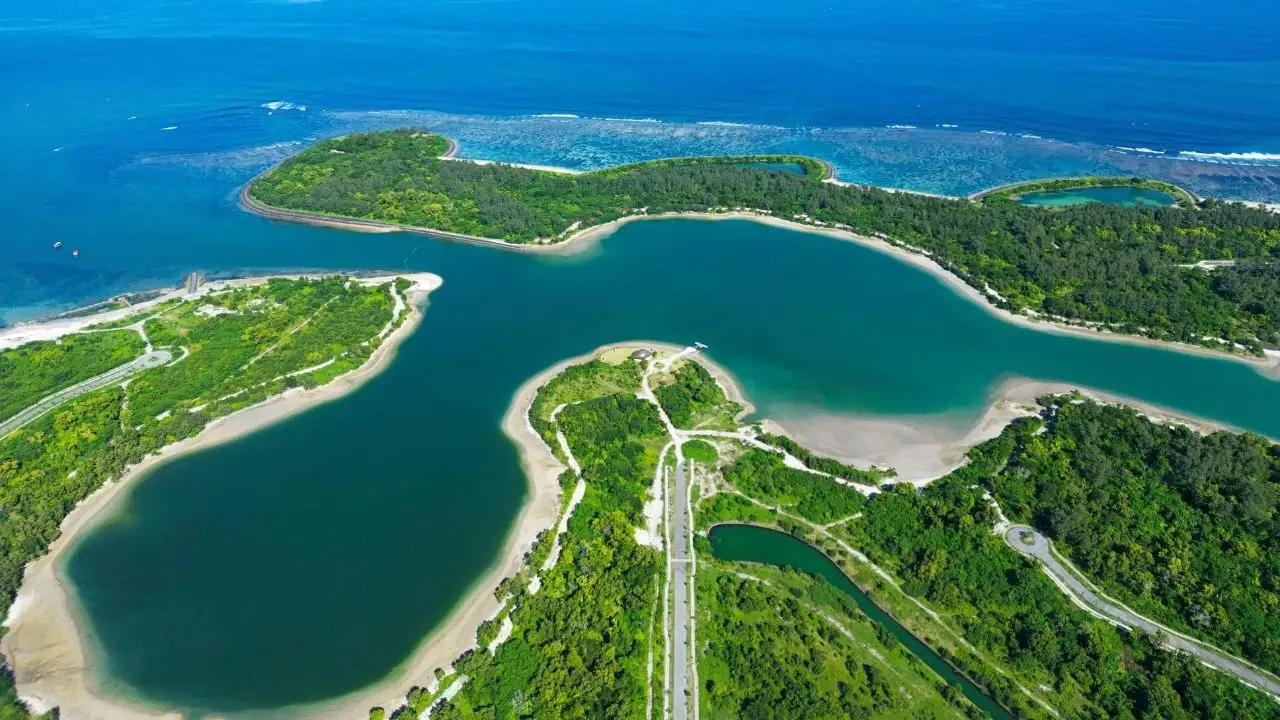
La zona económica especial KEK Kura Kura Bali está desarrollando un centro de negocios que conecta a la Global Blended Finance Alliance, una escuela de negocios e importantes canales de inversión.
A principios de 2026, la zona había atraído alrededor de 1,62 billones de IDR en inversiones y había creado más de 2.100 puestos de trabajo. Este sólido historial sitúa a la KEK Kura Kura Bali en una posición de liderazgo incluso antes de obtener la designación de PFII.
Infraestructuras y conexiones globales
El aeropuerto internacional de Bali, su bien desarrollada infraestructura turística y el flujo constante de viajeros de negocios de todo el mundo otorgan a la isla una ventaja logística frente a cualquier otro lugar sin desarrollar.
El Gobierno sigue ultimando la planificación urbanística y los límites dentro de Bali. El PFII se desarrollará como un proyecto independiente de la Zona Económica Especial Sanur Health.
¿Qué oportunidades podría ofrecer el centro financiero de Bali a los inversores extranjeros?
Si el PFII de Bali sigue adelante según lo previsto, los inversores encontrarán nuevas oportunidades más allá de los sectores ya consolidados de la isla, como el turismo, la hostelería y las villas.
El marco de la PFII ofrecerá más opciones a las empresas y a los inversores en los ámbitos de los servicios financieros, la gestión de inversiones, las operaciones regionales y las actividades transfronterizas.
Las entidades financieras, las gestoras de fondos, las sociedades de capital riesgo, las empresas multinacionales, las oficinas familiares y los equipos de tesorería tendrán nuevas opciones que explorar. Si tu empresa está barajando la posibilidad de crear un holding de inversiones o estructuras financieras regionales, este es un buen momento para valorar si Indonesia podría ser una alternativa viable a tu actual estructura extraterritorial.
El desarrollo del PFII también aumentará la demanda en los sectores relacionados. Un centro financiero sólido atrae servicios profesionales, viviendas para empleados, colegios internacionales e inmuebles comerciales de calidad. Las empresas que operan en Bali o que tienen previsto entrar en el mercado pueden beneficiarse de este ecosistema más amplio.
Las prestaciones completas y los criterios de elegibilidad dependerán de la normativa de aplicación definitiva. Ahora es el momento adecuado para que los inversores extranjeros revisen y preparen sus estructuras de inversión y empresariales.
ILA Global Consulting está dispuesta a ayudarte a evaluar la estructura de tu empresa y tus planes de inversión en Indonesia a medida que se va desarrollando el marco del PFII.
¿Qué deben preparar los inversores extranjeros antes de que el PFII entre en funcionamiento?

Tanto si inviertes en Bali a través de una PFII como por cualquier otra vía, deberás aplicar los mismos procedimientos básicos de diligencia debida que se exigen para cualquier estructura empresarial indonesia.
Esto es lo que deberías repasar ahora para seguir adelante con confianza.
Revisa la estructura de tu empresa
Evaluar si una PT PMA (empresa de inversión extranjera) es el vehículo adecuado para sus planes, o si su entidad indonesia actual ya está estructurada para beneficiarse del PFII una vez que entre en funcionamiento.
Revisa tu estructura accionarial y los requisitos de capital, y comprueba que la forma jurídica de tu entidad se ajusta a la actividad empresarial que tienes previsto desarrollar en la zona o en relación con ella.
Si ya gestiona una PT PMA en otra parte de Indonesia, revise su cumplimiento normativo y sus obligaciones antes de ampliar su actividad a ámbitos relacionados con las PFII.
ILA Global Consulting puede analizar la estructura de su PT PMA, su composición accionarial y su situación en materia de cumplimiento normativo para garantizar que esté preparado para aprovechar las oportunidades que ofrece el PFII.
Revisa tus actividades empresariales y el KBLI
Todas las actividades empresariales en Indonesia se identifican mediante un códigoKBLI (Klasifikasi Baku Lapangan Usaha Indonesia). Este código determina qué actividades puede realizar legalmente su empresa de capital extranjero y qué licencias necesitará.
Antes de comprometerte con cualquier actividad relacionada con el PFII, comprueba que la actividad empresarial que tienes prevista esté abierta a la participación extranjera y que el proceso de obtención de licencias esté bien definido. Las clasificaciones empresariales específicas del PFII aún se están ultimando, por lo que tener las cosas claras ahora te evitará retrasos más adelante.
Esto es especialmente importante en Bali, donde las recientes restricciones al registro de las PT PMA ya restringen las actividades que las empresas de propiedad extranjera pueden registrar en determinadas categorías de riesgo.
Evalúa tu estructura de inversión
Establecer una estructura de inversión en Indonesia implica mucho más que simplemente registrar una empresa.
Debes decidir cómo estructurar tu capital, distribuir la propiedad, elegir el vehículo de inversión adecuado y determinar si una sociedad de cartera o una PT PMA directa se ajusta a tus objetivos. Planifica cómo se relacionarán tus operaciones en Indonesia con cualquier entidad matriz o offshore.
Analizar las implicaciones fiscales
La Ley PFII prevé incentivos fiscales y aduaneros, y los legisladores han debatido opciones como un posible tipo impositivo del 0 % durante un período determinado. Los criterios, los tipos y la duración exactos solo se confirmarán una vez que se publiquen las normas de desarrollo.
Considera las cifras actuales como orientativas, no garantizadas. Planifica tu estructura fiscal basándote en las opciones confirmadas disponibles actualmente en Indonesia. Podemos ayudarte a revisar tu estructura fiscal y gestionar sus declaraciones y informes fiscales en Indonesia a medida que su negocio crezca.
Evaluar los requisitos relativos a la ubicación y las licencias
Si tiene previsto establecer su actividad en Bali, ya sea dentro de la KEK Kura Kura Bali o en cualquier otro lugar, debe comprobar la clasificación urbanística, la designación como KEK y la licencia comercial a través de el sistema OSS de Indonesia, así como los requisitos de las autoridades locales para cada ubicación.
El régimen especial de las PFII no exime de la obligación de llevar a cabo los controles de diligencia debida habituales en materia de uso del suelo, permisos y cumplimiento de la normativa local. Seguirá siendo necesario obtener autorizaciones de construcción, como el PBG y el SLF, para cualquier local físico.
ILA Global Consulting puede revisar sus requisitos en materia de licencias y cumplimiento normativo, incluidos los relativos a OSS, ordenación urbanística, PBG y SLF, para garantizar que las operaciones que tiene previstas cumplan plenamente con la normativa.
| Término | Definición |
|---|---|
|
OSS (Presentación única en línea) |
El sistema integrado de concesión de licencias comerciales electrónicas de Indonesia, que utilizan las empresas para obtener y gestionar sus licencias comerciales y cumplir con los requisitos normativos en función de sus actividades y su nivel de riesgo. |
|
PBG (Persetujuan Bangunan Gedung/Autorización de construcción) |
Autorización necesaria para la construcción, reforma, ampliación u otra obra de un edificio, que certifica que el edificio propuesto cumple con los requisitos técnicos y normativos aplicables. |
|
SLF (Sertifikat Laik Fungsi/Certificado de buen funcionamiento) |
Un certificado que acredita que una obra terminada ha sido evaluada y se ha determinado que cumple las normas técnicas y funcionales exigidas y que es apta para su uso según la finalidad prevista. |
Cómo planificar tu estrategia de inversión en Bali
La ley PFII ya se ha promulgado, pero aún no ha entrado en vigor. Las normas de desarrollo determinarán la ubicación, la autoridad supervisora y los incentivos fiscales y aduaneros.
Bali está llamada a convertirse en el centro financiero internacional de Indonesia, con la zona económica especial (KEK) Kura Kura Bali como eje central. Esta zona está concebida para instituciones financieras, gestores de fondos, family offices y equipos de tesorería de multinacionales que busquen una base fiable en el sudeste asiático, al margen de Singapur o Dubái.
Los inversores que aborden con antelación la diligencia debida relativa a la estructura de la entidad, la clasificación KBLI, el vehículo de inversión y la ubicación estarán preparados para actuar cuando se inaugure la zona. De este modo, se evita tener que empezar desde cero una vez que se hayan ultimado las normas.
Si estás valorando cómo encaja el PFII en tus planes de inversión en Bali, ILA Global Consulting puede analizar tu estructura, tus actividades y tus licencias a la luz de la normativa vigente y prevista. Ponte en contacto con nosotros para comentar tus planes o consulta nuestras guías gratuitas, en las que encontrarás consejos prácticos sobre cómo invertir y operar en Indonesia.
Preguntas frecuentes
No. La Ley PFII se aprobó el 21 de julio de 2026, pero solo establece el marco jurídico. El Gobierno aún debe promulgar los reglamentos de aplicación que regulen los límites exactos de las zonas, la estructura de la autoridad supervisora y los detalles técnicos de los incentivos fiscales y aduaneros antes de que el centro financiero de Bali pueda comenzar a funcionar.
El Gobierno ha designado KEK Kura Kura Bali, en Denpasar, como la ubicación principal prevista. Sin embargo, se están manteniendo conversaciones sobre la posibilidad de ampliar la inversión más allá de la región sur de Bali hacia el norte, el este y el oeste de la isla, por lo que los límites definitivos aún no se han fijado.
No de forma automática. El PFII está destinado principalmente a entidades financieras, gestores de inversiones, sociedades de capital riesgo, operaciones de tesorería de empresas multinacionales, oficinas familiares y actividades financieras transfronterizas relacionadas. Los criterios de elegibilidad y las clasificaciones empresariales permitidas se definirán en la normativa de aplicación.
No. La PFII establece una nueva zona regulada con sus propios incentivos y procedimiento de concesión de licencias, pero los inversores seguirán necesitando una entidad jurídica adecuada —ya sea una PT PMA u otra estructura— para operar legalmente en Indonesia. La estructura adecuada dependerá de la actividad empresarial concreta y de cómo encaje esta dentro del ámbito de aplicación definitivo de la PFII.
Los inversores deberían aprovechar este periodo para revisar su estructura empresarial, contrastar las actividades que tienen previsto desarrollar con las clasificaciones actuales del KBLI, evaluar su estructura de inversión y de participación, y estar al tanto de las novedades normativas, en lugar de esperar a que la zona esté plenamente operativa para empezar a prepararse. ILA Global Consulting puede ayudarle a revisar su estructura de inversión, sus actividades empresariales y su situación en materia de licencias mientras se desarrolla el marco del PFII.