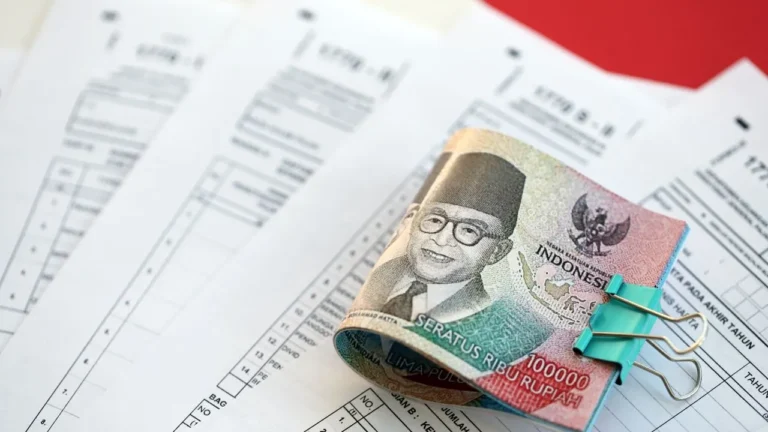
Investing in property using cryptocurrency has become increasingly common in Bali, particularly among digital nomads and tech entrepreneurs seeking to convert digital assets into tangible real estate. As Bali positions itself as a global hub for remote work and technology investment, interest in crypto-funded property transactions continues to rise.
However, 2026 marks a critical shift in Indonesia’s regulatory environment. The Otoritas Jasa Keuangan (OJK) will assume full oversight of digital financial assets, making crypto-related transactions subject to stricter legal, tax, and compliance standards.
While this transition signals the end of informal practices, it also provides clearer legal protection, improved transparency, and greater certainty for property investors who follow the correct structure.
This article explains the legal limitations, regulatory changes, and practical steps investors must follow to safely and lawfully invest in property using cryptocurrency in Bali.
Why You Cannot Pay for Property Directly in Crypto in Indonesia
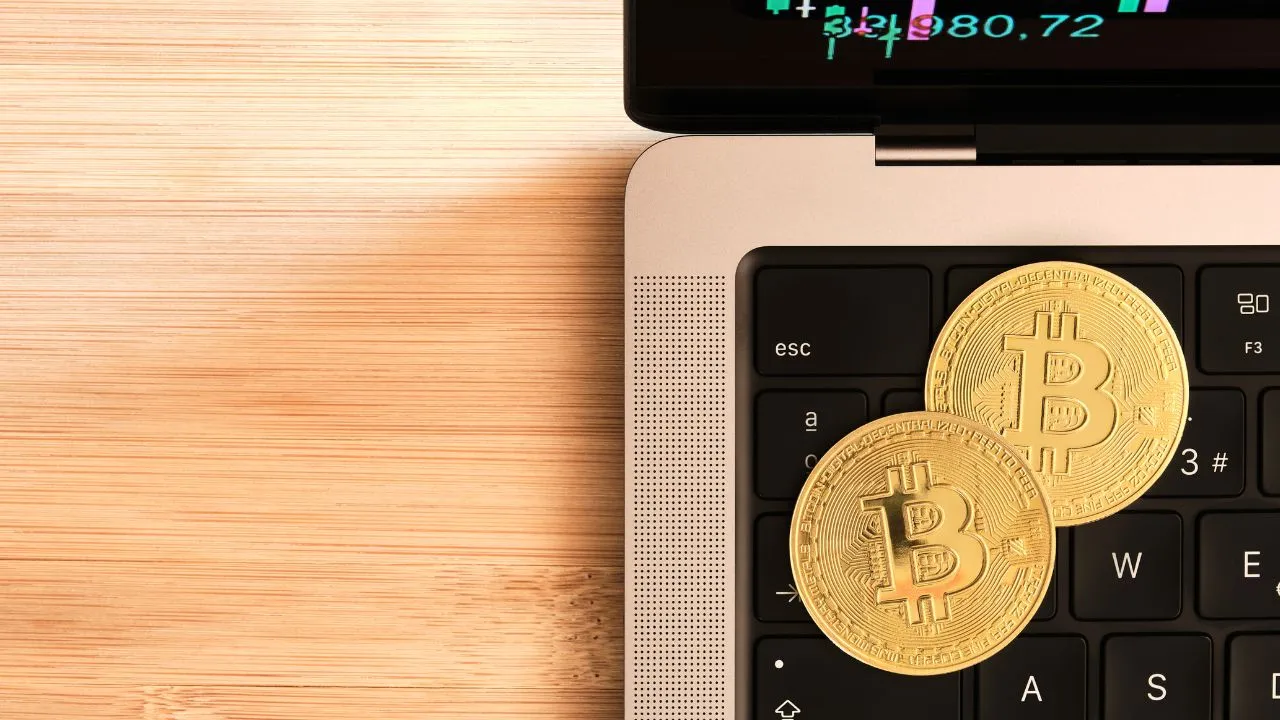
It is essential to understand Law No. 7 of 2011, which establishes the Indonesian Rupiah (IDR) as the only legal tender for transactions in Indonesia. Even pricing property in foreign currency has led to sanctions in the past.
While some sellers may accept crypto transfers, such arrangements carry significant legal risks. Paying directly in crypto can result in the notary nullifying the property deed, exposing buyers to the loss of funds and unenforceable ownership rights.
Some notaries may knowingly violate the law for personal profit. Some sellers request payment in cryptocurrency to reduce their tax liability. We strongly advise against participating in such schemes, as recovering funds in a dispute can be difficult.
Indonesian rules follow international standards for anti-money laundering (AML) and source-of-funds checks. The OJK, police, or tax officials can request proof of the origin and transfer of your funds at any time.
| Term | Definition |
|---|---|
| Legal Tender (IDR) | The Indonesian Rupiah is the sole lawful currency for transactions in Indonesia under Law No. 7 of 2011, prohibiting the settlement of property transactions in cryptocurrency. |
| Invalid Property Deed Risk | The legal exposure arising when a notary refuses or nullifies a deed due to unlawful payment methods, resulting in unenforceable ownership rights. |
| AML and Source of Funds | Regulatory requirements mandating proof of lawful origin and traceability of funds used in property transactions. |
How Has Crypto Regulation Changed in Indonesia in 2026?

As of January 2026, regulatory oversight of crypto assets has fully transitioned from Bappebti to the OJK. Crypto assets are now legally classified as Digital Financial Assets (DFAs) rather than commodities. This shift introduces several implications:
- Institutional-level supervision
Licensed Indonesian exchanges (PPMSEs) operate under the same rigorous standards as banks and stockbrokers. - The Whitelist
Only OJK-approved digital assets can be legally traded and converted to fiat currency. Major assets such as BTC, ETH, USDT, and USDC remain accepted under this framework.
The transition significantly reduces regulatory ambiguity but increases enforcement against informal or non-compliant transactions.
| Term | Definition |
|---|---|
| OJK Oversight | Regulatory supervision by the Indonesian Financial Services Authority, which assumed full control over crypto assets starting January 2026. |
| Digital Financial Assets (DFA) | The legal classification of crypto assets in Indonesia, redefined from commodities to regulated financial instruments. |
| Approved Asset Framework | A whitelist regime under OJK where only approved digital assets may be legally traded and converted to fiat currency. |
How Is Cryptocurrency Taxed When Used for Property Investment?
One advantage of investing in Indonesia in 2026 is the Final Tax regime. If you want to buy property with crypto, you first need to convert your crypto to IDR using a licensed local exchange.
- Income Tax (PPh)
A final tax of 0.21% is withheld at source for crypto-to-fiat conversions conducted through Indonesian exchanges. Using foreign exchanges may result in taxation of up to 1%. - VAT Treatment
Under PMK No. 50 of 2025, crypto-to-fiat transactions are generally VAT-exempt, as crypto is now treated as a security rather than a commodity. - Property Acquisition Taxes
Standard property taxes continue to apply, including the 5% acquisition tax on freehold property, while leasehold structures remain exempt from this tax.
Which Platforms Can Be Used to Convert Crypto in Indonesia?
To comply with Indonesian regulations, crypto must be converted to IDR through a licensed local exchange. Commonly used platforms include:
Most foreign investors open exchange accounts under their PT PMA, allowing funds to be legally converted, transferred to an Indonesian bank account, and used for property transactions with a clear audit trail.
What Is the Recommended Legal Structure for Crypto-Based Property Investment?

ILA Global Consulting recommends a structured, compliant approach to ensure that crypto assets are converted into legally protected property rights.
Step 1: Establish a PT PMA
A PT PMA (foreign-owned company) is the safest legal vehicle for foreign investors. It allows the company to hold Hak Guna Bangunan (HGB) titles or long-term leasehold rights, protecting assets under a recognized corporate structure.
Step 2: Convert Crypto Through a Licensed Exchange
Crypto should never be transferred directly to the seller. Instead, assets must be converted to IDR through a licensed Indonesian exchange and transferred to a local corporate bank account. This process ensures compliance with AML and reporting requirements.
In other words, once the company is open, you can open a bank account at a traditional bank. You can also open an account at Indodax and transfer your crypto to the company account to purchase your property.
Step 3: Conduct Legal Due Diligence and Contract Review
Before any funds are released from escrow, ILA performs comprehensive due diligence. We ensure your gains aren’t spent on land where you aren’t legally allowed to build. Due diligence is required to verify:
- Zoning compliance
- Land and building ratio limitations
- Tax payment status
- Road access rights
- Ownership history and existing encumbrances
Contracts must also include protective clauses covering handover terms, penalties, construction timelines, tax responsibilities, access maintenance, and licensing obligations.
Step 4: Execute the Property Transaction Before a Notary

Once funds are available in IDR and due diligence is complete, the lease agreement or Akta Jual Beli (AJB) is signed before a notary. The notary verifies lawful payment in IDR before releasing funds to the seller.
With this structure, crypto assets are converted through regulated channels, ensuring full compliance with anti-money laundering and reporting requirements.
Investing in property in Bali with cryptocurrency is now a formal process. With the OJK now overseeing these transactions, digital asset deals face stricter checks, especially regarding the source of funds and how they are reported. This change highlights the need for investors to follow clear and compliant procedures.
ILA Global Consulting advises foreign investors on PT PMA establishment, crypto-to-fiat compliance, property due diligence, and transaction structuring, ensuring that digital assets are converted into legally secure property rights under Indonesian law.
Engage ILA Global Consulting to structure your crypto-funded property investment correctly, mitigate regulatory risk, and protect your assets before enforcement gaps close.