Le visa « résidence secondaire » (E33) permet aux ressortissants étrangers de résider à long terme en Indonésie à condition de justifier d'une capacité financière suffisante, soit par un dépôt bancaire éligible, soit par la possession d'un bien immobilier résidentiel.
Les ressortissants étrangers qui acquièrent un bien immobilier à Bali, à Lombok ou à Sumba peuvent bénéficier du visa « résidence secondaire » comme titre de séjour de longue durée, à condition que ce bien réponde aux exigences en matière d'immigration.
Ce guide explique le fonctionnement du visa « résidence secondaire », les deux voies d'accès, les conditions générales d'éligibilité, les activités autorisées et celles soumises à des restrictions, ainsi que la manière dont les membres de la famille éligibles peuvent être inclus dans la demande.
Qu'est-ce que le visa « résidence secondaire » ?

Le visa « Second Home » fait partie du programme « Golden Visa » de l'Indonésie et vous permet de séjourner en Indonésie pendant 5 ans, renouvelables, la durée totale du séjour étant plafonnée à 10 ans.
Contrairement à la plupart des visas de longue durée, le visa E33 n'est pas lié à un emploi, à la possession d'une entreprise ou au statut de retraité. Il s'agit d'une option flexible pour ceux qui souhaitent vivre en Indonésie sans être soumis aux restrictions habituelles.
Avec le permis E33, vous pouvez voyager, faire vos achats et rendre visite à votre famille et à vos amis, tout comme n'importe quel résident de longue durée. Vous pouvez entrer et sortir d'Indonésie aussi souvent que vous le souhaitez tant que votre permis est valide.
D'autres catégories de « Golden Visa » exigent un engagement financier plus important, à partir d'environ 350 000 USD, ce montant augmentant pour les demandeurs représentant une entreprise. Nous expliquons ces options en détail dans notre guide sur le « Golden Visa ».
Le visa « résidence secondaire » constitue une voie plus accessible pour les personnes disposant d'une épargne ou d'un bien immobilier éligible, plutôt que d'un portefeuille d'investissement actif.
Comment pouvez-vous remplir les conditions requises ?
Il suffit aux candidats de remplir les conditions requises dans l'une des filières suivantes.
Dépôt bancaire
Vous devez disposer d'un solde minimum de 130 000 USD (environ 2 milliards d'IDR) sur un compte à votre nom ouvert auprès d'une banque publique indonésienne telle que Bank Mandiri, BNI, BRI ou BTN.
Les fonds restent la propriété du demandeur et rapportent des intérêts pendant toute la durée de validité du visa. Le solde requis doit être maintenu tant que le visa est valide.
Immobilier résidentiel
Vous pouvez également remplir les conditions requises en étant propriétaire d'un bien immobilier résidentiel éligible en Indonésie d'une valeur d'au moins 1 000 000 USD.
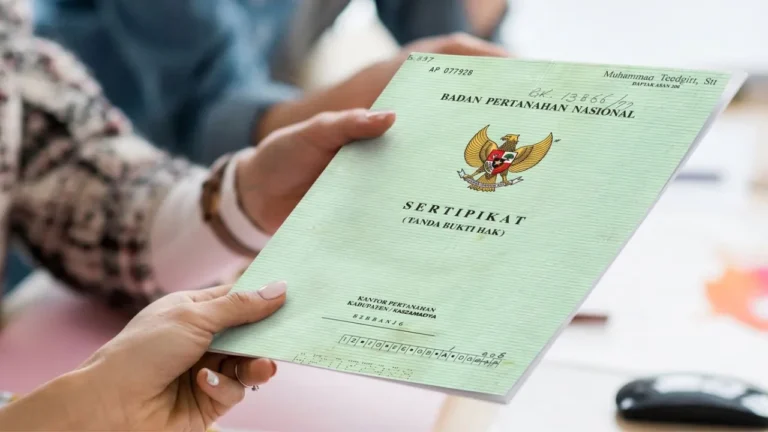
Le bien immobilier doit être légalement éligible à l'acquisition par des étrangers et être détenu à votre nom, conformément à la réglementation indonésienne en matière foncière et immobilière.
Pour les ressortissants étrangers qui achètent un bien immobilier à Bali, Lombok ou Sumba, cette option permet à la fois d’acquérir un bien immobilier et de séjourner à long terme en Indonésie. Assurez-vous que le bien répond aux exigences minimales en matière de valeur et de titre foncier avant de l’utiliser pour votre demande de visa.
| Durée | Définition |
|---|---|
| Banque publique | Une banque dans laquelle le gouvernement indonésien détient une participation majoritaire et qui opère au sein du secteur bancaire public indonésien. |
| Bien immobilier résidentiel éligible | Bien immobilier résidentiel répondant aux exigences en matière de propriété, de titre de propriété, de valeur et autres conditions applicables aux ressortissants étrangers en vertu de la réglementation indonésienne relative à l'immobilier et à l'immigration. |
Quelles sont les conditions générales ?
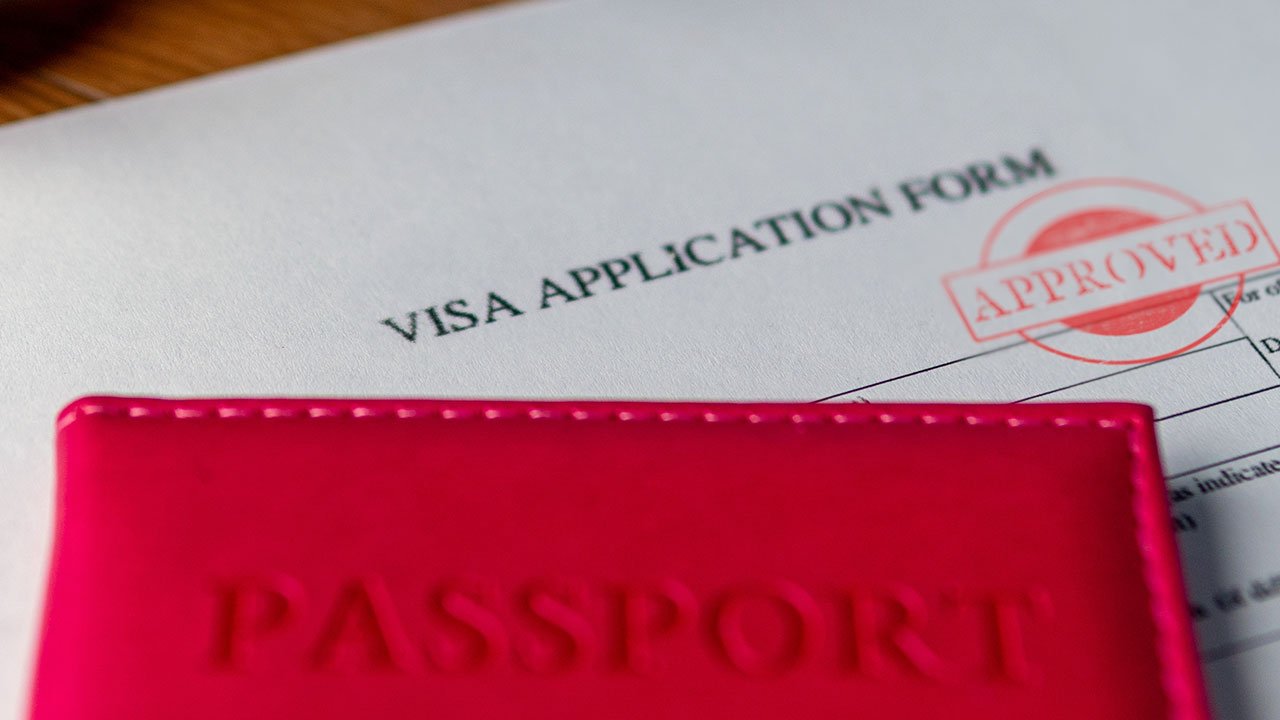
Outre le fait de remplir l'une des conditions financières requises, vous devez généralement fournir les documents suivants :
- Un passeport valable pendant au moins 6 mois.
- Une photo d'identité récente en couleur.
- Un curriculum vitae (CV).
- Un relevé bancaire des trois derniers mois indiquant un solde minimum de 2 000 USD afin de prouver que le demandeur dispose de moyens suffisants pour subvenir à ses besoins pendant la durée du traitement de sa demande.
La demande est dans un premier temps approuvée sur la base de votre engagement écrit à satisfaire à l'exigence financière retenue. Une fois l'ITAS (autorisation de séjour de durée limitée) accordée , vous disposez de 90 jours pour effectuer le dépôt bancaire requis ou finaliser l'achat d'un bien immobilier éligible.
Le non-respect de cet engagement dans le délai imparti, ou le non-maintien du dépôt requis après la délivrance du visa, peut avoir des répercussions sur la validité du titre de séjour.
ILA Global Consulting peut vous aider à vérifier vos documents relatifs à l'achat d'un bien immobilier ou vos documents financiers avant leur dépôt, afin de vous assurer qu'ils répondent aux exigences applicables au visa « résidence secondaire ».
Ce que le visa « résidence secondaire » n'autorise pas
En tant que titulaire d'un visa « résidence secondaire », vous n'êtes pas autorisé à :
- Accepter un emploi au sein d'une entreprise indonésienne.
- Vendre des biens ou des services en Indonésie.
- Percevoir des revenus provenant de clients ou d'entreprises indonésiens.
Si vous travaillez à distance pour un employeur ou un client basé hors d’Indonésie, cela est généralement autorisé. Toutefois, si votre séjour en Indonésie est principalement motivé par le télétravail, nous vous recommandons d’envisager le visa E33G pour télétravailleurs, spécialement conçu à cet effet.
Si votre objectif est de travailler pour un employeur indonésien, vous devez plutôt demander un titre de séjour autorisant l'exercice d'une activité professionnelle. Nous vous accompagnerons tout au long de la procédure afin de vous aider à choisir le visa le mieux adapté à vos besoins.
Venez en Indonésie en famille
Avec le visa « résidence secondaire », vous pouvez faire venir votre famille proche. Cela comprend votre conjoint, vos enfants et vos parents, qui bénéficieront tous d'un titre de séjour en tant que personnes à charge.
Les permis pour les personnes à charge sont valables pour la même durée que le visa du titulaire principal. Les membres de la famille ne sont pas soumis à des conditions financières distinctes.
Les enfants sont considérés comme des personnes à charge jusqu'à l'âge de 18 ans, ou jusqu'à 25 ans s'ils ne sont pas mariés et poursuivent leurs études.
ILA Global Consulting peut vous accompagner tout au long de la procédure de demande de titres de séjour pour les personnes à charge, afin d'aider les membres de votre famille éligibles à s'installer avec vous en Indonésie.
| Durée | Définition |
|---|---|
|
ITAS (Permis de séjour temporaire) |
Un titre de séjour à durée déterminée indonésien qui confère à un ressortissant étranger éligible le droit de résider en Indonésie pendant une période déterminée et à des fins précises, dans le cadre de la catégorie d'immigration applicable. |
| Permis de séjour pour personne à charge | Un titre de séjour délivré aux membres de la famille éligibles d'un ressortissant étranger titulaire d'un titre de séjour indonésien, leur permettant de résider en Indonésie en raison de leur lien de parenté avec le titulaire principal du titre de séjour. |
Le visa « résidence secondaire » est-il adapté à votre situation ?
Le visa « résidence secondaire » constitue un choix adapté aux ressortissants étrangers qui souhaitent s'installer à long terme en Indonésie sans travailler pour un employeur indonésien.
Les demandeurs qui achètent un bien immobilier en Indonésie peuvent satisfaire aux conditions financières requises pour l'obtention du visa si ce bien est correctement évalué et détenu en toute légalité. Ceux qui n'achètent pas de bien immobilier peuvent être éligibles via la voie du dépôt bancaire.
ILA Global Consulting aide ses clients à vérifier l'éligibilité des biens immobiliers, à confirmer les conditions financières requises et à gérer la demande de visa « résidence secondaire », de la préparation jusqu'à l'obtention de l'autorisation.
Si vous envisagez de déposer une demande de visa « résidence secondaire », n'hésitez pas à contacter ILA Global Consulting. Nous pouvons vous aider à déterminer la démarche la plus adaptée à votre situation.
Foire aux questions
Non. Les fonds restent sur un compte à votre nom dans une banque publique et continuent de rapporter des intérêts. Vous pouvez retirer ces fonds, mais si le solde passe en dessous du seuil requis de 130 000 USD, votre KITAS « Second Home » sera annulé.
Oui, à condition qu’elle atteigne la valeur minimale de 1 000 000 USD et qu’elle soit détenue sous le régime du « Hak Pakai », accessible aux propriétaires étrangers. Tous les biens immobiliers détenus par des étrangers en Indonésie ne sont pas systématiquement structurés de cette manière ; il est donc recommandé de vérifier que le titre de propriété est conforme aux exigences du visa.
Cela ne s'applique pas à une entreprise indonésienne, ni aux revenus provenant de sources indonésiennes. Le télétravail pour un employeur ou un client étranger est généralement autorisé, puisque ces revenus proviennent de l'étranger.
Oui. Après trois ans de résidence, les titulaires d’un visa « Second Home » peuvent généralement demander un KITAP, le permis de séjour permanent indonésien, ce qui leur évite d’avoir à renouveler sans cesse un visa de séjour temporaire. ILA Global Consulting peut vous conseiller sur le moment opportun pour effectuer cette transition une fois que vous aurez passé quelques années dans le pays.