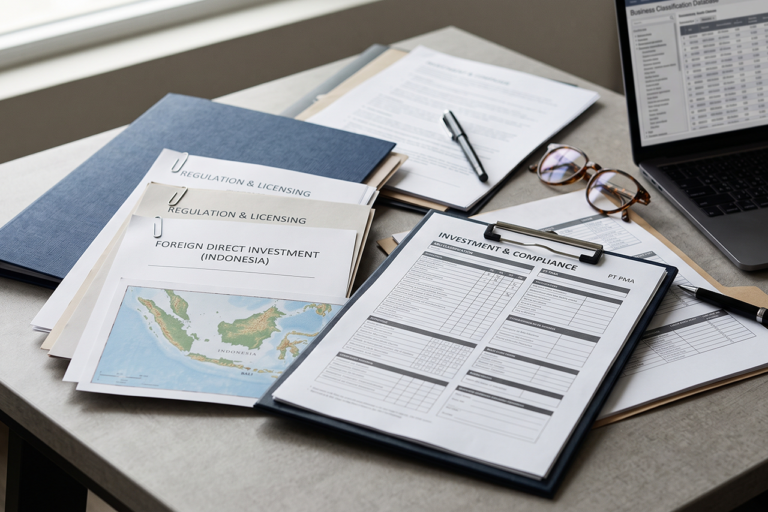
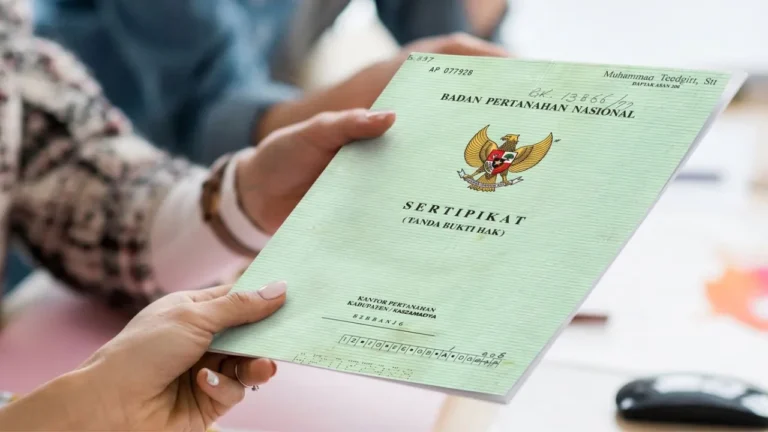
La vente d'un bien immobilier en Indonésie ne se résume pas à une simple procédure. Le type de titre de propriété dont vous disposez – qu'il s'agisse d'un « Hak Pakai », d'un bail ou de parts dans une PT PMA – détermine qui peut l'acheter, quelles taxes s'appliquent et comment le transfert est effectué.
Si vos documents ne correspondent pas à la structure de votre propriété, attendez-vous à des retards de plusieurs semaines le temps que le notaire règle ce problème. En veillant dès le départ à ce que la structure soit correctement établie, vous vous assurez que votre vente se déroule sans encombre.
Ce guide explique ce que vous vendez selon chaque type de structure de propriété, les impôts et frais applicables, le déroulement du processus de vente, ainsi que les stratégies de sortie dont disposent les propriétaires étrangers.
Que vendez-vous réellement dans le cadre de votre structure de propriété ?

En général, les étrangers détiennent des biens immobiliers en Indonésie selon l'une des trois structures suivantes, et chacune d'entre elles fait l'objet d'une vente différente.
| Structure | Quelles sont les données transférées ? | Qui peut l'acheter ? |
| Hak Pakai | Le droit d'usage enregistré lui-même | Un autre titulaire d'un « Hak Pakai » éligible ou un citoyen indonésien |
| Location (Hak Sewa) | Les années restantes du contrat de bail | Toute personne autorisée par le propriétaire foncier et conformément aux clauses du bail |
| PT PMA, société holding de HGB | Les actions de la société ou l'actif sous-jacent | Cela dépend s'il s'agit d'une cession d'actions ou d'une cession d'actifs |
Le « Hak Pakai » est un droit foncier enregistré, et son transfert s'effectue selon une procédure d'acte notarié menée par un PPAT, à l'instar des autres droits fonciers enregistrés.
Le bail à long terme se distingue des autres types de transaction, car il ne s'agit pas d'un transfert de propriété foncière. Vous cédez en effet les années restantes d'un contrat ; c'est donc le contrat de bail qui détermine si le consentement du propriétaire foncier est nécessaire et selon quelles modalités la durée restante peut être cédée. Une durée restante courte ou une clause restrictive de cession peut réduire le nombre d'acheteurs potentiels avant même que vous ne mettiez le bien en vente.
La sortie d'une PT PMA peut prendre deux formes : la vente des actions de la société détenant le HGB ou la vente de l'actif sous-jacent par la société. Le choix de la voie à suivre dépend de la structure de l'acquéreur et du traitement fiscal de chaque option ; il convient donc d'examiner cette structure avant de lancer la commercialisation de la vente.
ILA Global Consulting examinera la structure de votre actionnariat avant que vous n'entamiez le processus de vente. Nous vous aidons à déterminer la meilleure modalité de cession et à identifier tout problème susceptible d'avoir une incidence sur votre transaction.
Le fait de bien cerner ce que vous vendez détermine toutes les étapes suivantes, depuis vos obligations fiscales jusqu’aux documents que votre notaire vous demandera.
| Durée | Définition |
|---|---|
| HGB Hak Guna Bangunan / Droit de construire |
Un droit foncier qui confère à son titulaire le droit de construire et de posséder des bâtiments sur un terrain dont il n'est pas propriétaire, pour une durée déterminée, conformément à la législation agraire indonésienne. |
| PPAT Pejabat Pembuat Akta Tanah / Officier chargé de l'enregistrement des actes fonciers |
Un fonctionnaire habilité à établir des actes authentiques relatifs à des actes juridiques spécifiques concernant les droits fonciers ou la propriété d'appartements, y compris les actes servant à enregistrer le transfert de ces droits. |
Quelles sont les taxes et les frais applicables lors d'une vente ?
Plusieurs taxes et frais de transaction peuvent avoir une incidence sur le montant que vous percevrez finalement lors de la vente d'un bien immobilier.
L'impôt final sur le revenu (PPh Final, Pajak Penghasilan Final) s'applique généralement aux revenus provenant de la cession de terrains et/ou de droits de construction. Dans le cadre d'une vente ordinaire effectuée dans des conditions de pleine concurrence, le taux standard est de 2,5 % de la valeur brute de cession effectivement perçue ou obtenue. Des règles d'évaluation spécifiques peuvent s'appliquer aux transactions entre parties liées et à certaines autres cessions.
Cette taxe est généralement due avant que le fonctionnaire habilité ne signe l'acte de cession. Cela signifie que le vendeur doit s'acquitter du PPh Final avant que l'acte de cession puisse être signé.
Vous devez également régler tout arriéré de PBB avant de finaliser la vente. Les PPAT vérifient généralement l'état des paiements de PBB du bien immobilier, et tout arriéré de PBB peut retarder la transaction ou le processus de validation fiscale associé.
La BPHTB est, techniquement, une taxe à la charge de l'acheteur. Elle est calculée à hauteur de 5 % de la valeur de la transaction ou de la NJOP, déduction faite du seuil local d'exonération fiscale applicable (NPOPTKP). Bien qu'elle ne soit pas prélevée directement sur le produit de la vente, elle peut influencer les négociations, car les acheteurs peuvent tenir compte de ce coût dans leur offre.
Le Bea Meterai (droit de timbre) s'applique à certains documents relatifs à des transactions, notamment les contrats et les actes notariés ou établis par un PPAT. Les honoraires des notaires et des PPAT sont soumis aux limites légales applicables ainsi qu'aux accords conclus entre les parties et les prestataires de services. Les honoraires d'un PPAT pour la rédaction d'un acte ne peuvent dépasser 1 % de la valeur de la transaction, tandis que les honoraires des notaires sont soumis à différentes limites légales en fonction de la valeur et de la nature du service.
Lorsqu'un agent immobilier intervient, la commission peut varier entre 2 % et 5 % de la valeur de la transaction, en fonction de l'étendue des services fournis et de l'accord conclu entre les parties.
| Durée | Définition |
|---|---|
| NPOPTKP Valeur d'acquisition des biens non imposables |
Le seuil de la valeur d'acquisition non imposable utilisé pour le calcul de la BPHTB. Le montant applicable est fixé par la collectivité territoriale compétente. |
| NJOP Valeur imposable des biens immobiliers |
Valeur de cession d'un bien imposable déterminée pour les terrains et/ou les bâtiments aux fins de l'impôt foncier. |
Taxes et frais liés à la vente immobilière en Indonésie
| Coûts | Taux habituel | Qui paie ? |
| PPh définitif | 2,5 % de la valeur brute du transfert, sous réserve des règles d'évaluation applicables | Cédant/Vendeur |
| BPHTB | 5 % du prix de vente ou de la NJOP, déduction faite de la NPOPTKP | Acquéreur/Acheteur |
| Arriérés de PBB | Solde restant dû | Vendeur, avant la cession |
| Bea Meterai | 10 000 roupies par document | Conformément à ce qui a été convenu entre les parties |
| Honoraires de notaire/PPAT | Sous réserve des limites légales et d'un accord. | Selon ce qui a été convenu entre le vendeur, l'acheteur ou les deux |
| Commission d'agent | 2 % à 5 % de la valeur de la transaction | Conformément à ce qui a été convenu entre les parties |
Vérifiez votre situation fiscale réelle auprès d'un conseiller fiscal avant de fixer le prix de vente, car les montants NJOP et les seuils NPOPTKP locaux peuvent avoir une incidence sur le montant net que vous percevrez à l'issue de la vente. Nous pouvons vous aider à prendre en compte les aspects fiscaux liés à la vente de votre bien immobilier et coordonner les démarches auprès du notaire et du PPAT tout au long de la transaction.
Comment se déroule le processus de vente d'un bien immobilier ?

Le processus commence par la vérification du titre de propriété. Un PPAT vérifie votre titre de propriété, confirme que vous êtes habilité à vendre et recherche toute hypothèque, tout litige ou toute autre charge grevant le bien. Il est généralement bien plus efficace de régler un problème lié au titre de propriété ou aux permis avant la mise en vente que de le découvrir une fois qu’un acheteur est déjà impliqué.
La préparation des documents s'effectue parallèlement à la tarification et à la commercialisation. Pour chaque bien immobilier, rassemblez le titre de propriété ou le contrat de location, les derniers reçus de la taxe foncière (PBB), les documents relatifs au permis de construire (tels que le PBG ou l'IMB), le SLF (le cas échéant) et tous les documents d'identité pertinents.
Le PPJB, ou accord préliminaire de vente, définit les conditions, le montant de l'acompte et le calendrier de paiement avant la signature de l'acte notarié définitif. Faites appel au notaire désigné pour gérer les acomptes et les paiements. Évitez les virements directs entre l'acheteur et le vendeur afin de réduire les risques et de garantir le respect des règles.
Une fois toutes les taxes acquittées et le dossier de transaction complet, les deux parties signent l'AJB (acte de vente définitif). Le PPAT procède ensuite à l'enregistrement du transfert auprès du BPN et ne débloque les fonds qu'après avoir vérifié que tous les paiements ont été effectués et que toutes les conditions de conformité sont remplies.
La vente implique de nombreux documents, des taxes et plusieurs parties prenantes. ILA Global Consulting peut coordonner les aspects juridiques et administratifs avec le notaire et les professionnels de la fiscalité concernés, afin d’aider à résoudre les problèmes potentiels avant qu’ils ne retardent la vente.
| Durée | Définition |
|---|---|
| PBG Autorisation de construire / Building Approval |
Autorisation requise pour la construction, la modification, l'agrandissement ou tout autre aménagement d'un bâtiment, attestant que le bâtiment proposé est conforme aux exigences techniques et réglementaires applicables. |
| SLF Sertifikat Laik Fungsi/Certificat de bon fonctionnement |
Un certificat attestant qu'un bâtiment achevé a été jugé conforme aux normes techniques et fonctionnelles requises et qu'il est apte à être utilisé conformément à sa destination. |
Peut-on vendre un bien immobilier en Indonésie depuis l'étranger ?
Il n'est pas nécessaire que vous soyez physiquement présent en Indonésie pour vendre votre bien immobilier. Grâce à une procuration notariée, votre notaire ou un représentant désigné peut signer en votre nom tout au long de la procédure.
Cependant, la vente à distance prend plus de temps. Il se peut que vous deviez procéder à l'authentification, à la traduction et à la légalisation ou à l'apostille des documents avant que votre représentant désigné puisse agir. L'organisation des envois par coursier et les décalages horaires peuvent également allonger une procédure qui, sans cela, se déroulerait plus rapidement.
Si vous êtes résident fiscal hors d'Indonésie, renseignez-vous auprès d'un conseiller fiscal pour savoir comment vous devez déclarer cette vente dans votre pays de résidence. Le fait de vous acquitter de vos obligations fiscales en Indonésie ne vous dispense pas automatiquement de vos obligations déclaratives dans votre pays d'origine.
Pour les propriétaires qui vendent depuis l'étranger, ILA Global Consulting peut coordonner le processus de vente immobilière en Indonésie et collaborer avec les professionnels concernés, afin que vous n'ayez pas à gérer chaque étape à distance.
Quelle stratégie de sortie les propriétaires immobiliers étrangers devraient-ils envisager ?

Le choix de la stratégie de sortie appropriée dépend de la manière dont vous détenez le bien immobilier et de ce que vous comptez en faire.
Vente d'un droit de bail
La vente des années restantes d'un bail est une solution courante pour les propriétaires étrangers qui souhaitent se désengager. L'acheteur reprend la durée restante du bail aux conditions existantes ; ainsi, un contrat de bail clair, précisant les conditions de renouvellement et de cession, peut faciliter la vente du bien et la fixation de son prix.
Vente par l'intermédiaire d'une PT PMA
Un actionnaire qui souhaite se retirer dans le cadre d'une PT PMA peut généralement envisager soit une cession d'actions, soit une cession d'actifs.
La vente d'actions peut sembler plus simple, car le titre HGB sous-jacent n'est pas transféré. Cependant, l'acheteur hérite de l'historique global de la société et devra donc procéder à une vérification préalable tant de la société que du bien immobilier.
La cession d'actifs s'accompagne d'un processus de transfert de propriété plus classique. Chaque option est soumise à des exigences différentes en matière de fiscalité, de responsabilité, d'autorisations et de diligence raisonnable. Évaluez soigneusement vos options avant de vous engager afin d'éviter toute complication.
Aménagement immobilier en vue de la revente
Construire un bien immobilier en vue de sa revente à plusieurs reprises n'est pas la même chose que de vendre un bien immobilier que l'on possède déjà.
Un étranger ne peut pas acheter personnellement un terrain, réaliser plusieurs projets immobiliers et les vendre en tant que promoteur immobilier à titre personnel. Pour mener des activités répétées de promotion immobilière et de revente, il est nécessaire de créer une société PT PMA spécialement destinée à la promotion immobilière et agréée par l’OSS.
Si vous vendez un seul bien immobilier dont vous êtes déjà propriétaire, cette distinction n'a aucune incidence sur la vente. En revanche, si vous avez l'intention de réaliser des projets immobiliers et de vendre des biens à plusieurs reprises, vous devez mettre en place la structure juridique adéquate dès le départ, plutôt que de la modifier a posteriori, une fois le projet déjà lancé.
Détention de terrains en vue d'une revente future
La constitution d'un portefeuille foncier, c'est-à-dire l'achat de terrains non aménagés en vue de leur revente future, comporte des risques si ces terrains restent inutilisés pendant une longue période. La réglementation indonésienne relative aux terrains abandonnés permet au gouvernement de récupérer les terrains sur lesquels aucune activité d'aménagement n'a été menée dans les délais prévus.
Les investisseurs qui envisagent cette stratégie sont invités à examiner le statut juridique du bien immobilier et l'état d'avancement de son projet de développement dans le cadre de leur plan de sortie à long terme.
Quels sont les risques liés à la vente d'un bien immobilier détenu par un prête-nom ?
Certains propriétaires étrangers détiennent des biens immobiliers par l'intermédiaire d'un prête-nom indonésien : un ressortissant local apparaît comme propriétaire officiel, tandis que l'étranger apporte les fonds et exerce un contrôle informel sur le bien.
L'article 26, paragraphe 2, de la loi fondamentale sur l'agriculture indonésienne interdit les transferts indirects de droits fonciers à des étrangers, ce qui rend les montages par prête-nom juridiquement inapplicables, et pas seulement risqués.
Si vous envisagez de vendre un bien immobilier et qu’une partie de la chaîne de propriété implique un montage par prête-nom, réglez cette question avant de mettre le bien sur le marché, plutôt qu’après qu’un acheteur l’ait découverte lors de la vérification préalable. Un problème non résolu lié à un prête-nom peut rendre la vente d’un bien nettement plus difficile et, dans certains cas, empêcher purement et simplement la conclusion d’une vente en bonne et due forme.
Préparez votre départ avant d'en avoir besoin
Les coûts les plus élevés et les complications liées à la vente d'un bien immobilier en Indonésie découlent généralement des choix effectués lors de l'achat, et non au moment de la vente.
La structure de propriété, les conditions de cession du bail, l'historique des paiements de la taxe foncière (PBB) et l'implication d'un prête-nom dans l'historique du titre de propriété peuvent tous avoir une incidence sur le bon déroulement de la vente finale.
ILA Global Consulting aide les propriétaires étrangers dans toute l'Indonésie à examiner les structures de propriété, à régler les problèmes liés aux titres de propriété avant qu'ils n'affectent une vente, et à gérer l'ensemble des démarches notariales et fiscales, du début à la fin. Que vous vendiez dès maintenant ou que vous vous prépariez à une cession future, agir sans tarder peut vous éviter des retards coûteux.
Contactez ILA Global Consulting pour faire examiner votre bien immobilier et sa structure de propriété avant de le mettre en vente, en particulier si vous vendez depuis l'étranger ou si vous n'êtes pas certain de la structure initiale du bien.
Foire aux questions
Oui, si le bien immobilier est détenu légalement dans le cadre d'un bail, d'un « Hak Pakai » ou par l'intermédiaire d'une PT PMA. La procédure à suivre dépend du statut qui s'applique à votre bien immobilier.
Non. Une procuration notariée peut permettre à votre notaire ou à un représentant désigné de mener à bien la vente en votre nom. Les formalités d'authentification et de légalisation des documents peuvent allonger la durée d'une vente à distance ; le délai peut donc être plus long que si vous étiez présent en Indonésie.
Vous ne pourrez pas finaliser la cession tant que vous n’aurez pas réglé tout arriéré de PBB. Cela peut inclure des impôts impayés antérieurs à votre acquisition du bien ; il est donc important de vérifier l’historique des paiements fiscaux du bien avant l’achat, et pas seulement lorsque vous décidez de le vendre.
Non. La législation indonésienne ne prévoit pas de structure de prête-nom comme solution légale permettant de contourner les restrictions en matière de propriété étrangère. En particulier, l'article 26, paragraphe 2, de la loi fondamentale sur l'agriculture rend nuls certains transferts, directs ou indirects, de « Hak Milik » à des étrangers. Si l'historique de votre propriété fait intervenir un accord de prête-nom, demandez conseil à un juriste indonésien avant de tenter une vente.
Pas à titre personnel, sous votre propre nom. Une activité répétée de promotion immobilière et de revente est considérée comme une activité commerciale, ce qui nécessite une structure PT PMA dûment agréée. La vente ponctuelle d'un bien immobilier que vous détenez déjà à titre personnel ne nécessite pas cela.