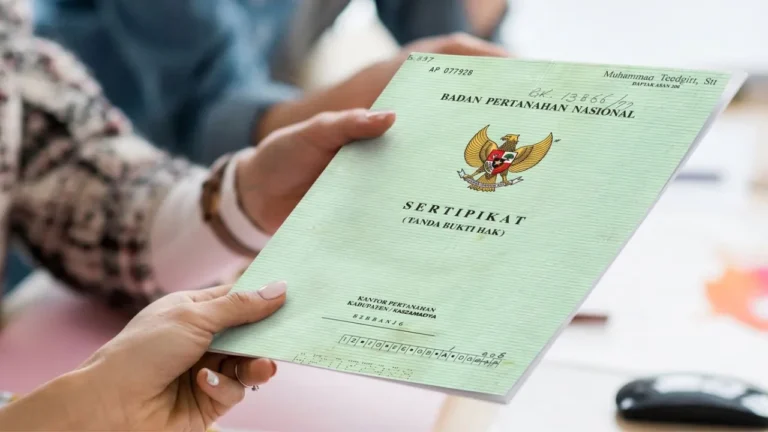
Imaginez que vous arriviez à Sumba, que vous trouviez une propriété au sommet d'une falaise surplombant l'océan Indien, et qu'on vous dise qu'en versant un acompte, vous garantissez le prix de la propriété, les formalités administratives pouvant être réglées ultérieurement.
Quelques semaines plus tard, vous découvrez que le terrain n'est enregistré que dans le registre villageois de type « Lettre C », et non dans un titre foncier BPN. Vous apprenez également qu'il se trouve sur le territoire coutumier d'un kabisu (clan) et que toutes les personnes habilitées n'ont pas donné leur accord à la vente. À ce stade, vous avez déjà perdu votre acompte, et le récupérer pourrait s'avérer bien plus difficile que prévu.
Ces situations sont courantes à Sumba. L'île suscite un intérêt croissant de la part des investisseurs immobiliers, mais la réussite des transactions dépend d'une vérification juridique approfondie avant tout transfert de fonds.
Avant de vous engager dans un achat, il est important de bien comprendre les différentes structures de propriété qui s'offrent aux investisseurs étrangers, les risques juridiques propres à Sumba, le processus de diligence raisonnable, ainsi que les principaux aspects juridiques susceptibles d'influencer votre investissement. Ce guide vous aide à prendre une décision plus éclairée avant d'acheter un bien immobilier à Sumba.
Pourquoi de plus en plus d'investisseurs étrangers s'intéressent-ils à Sumba ?
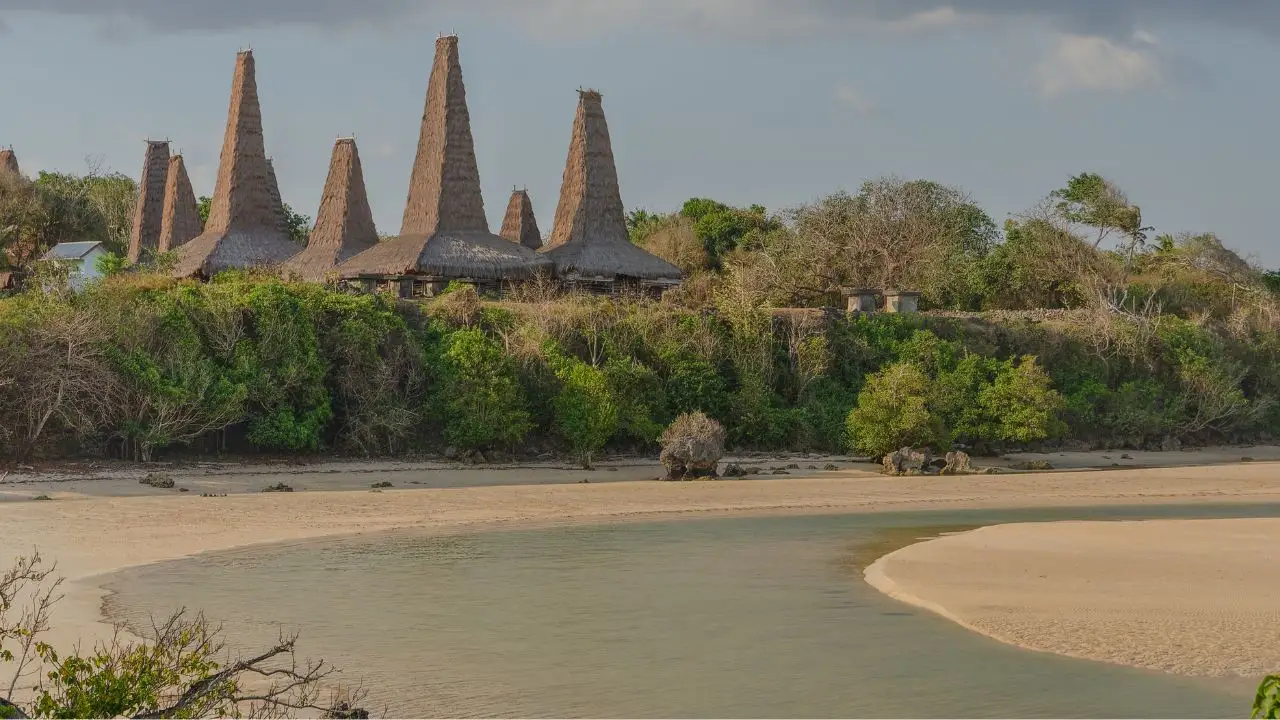
Sumba commence à attirer des investisseurs étrangers qui ne se limitent pas aux marchés immobiliers traditionnels de l’Indonésie. Les secteurs du tourisme et de l’hôtellerie de l’île sont en pleine croissance, et la beauté naturelle ainsi que la culture de l’île suscitent un intérêt constant. Avec l’ouverture de complexes hôteliers de renom, Sumba s’impose comme une option de choix pour les investissements dans le tourisme haut de gamme.
Sumba est encore en plein développement, ce qui la distingue de Bali. Cela offre aux investisseurs la possibilité de pénétrer un marché en pleine mutation. À mesure que les infrastructures s'améliorent et que l'île devient plus accessible, Sumba devient plus attractive pour les investissements à long terme.
Cependant, investir à Sumba comporte des difficultés. Il est essentiel de bien comprendre la législation immobilière indonésienne. Bien que les règles relatives à la propriété étrangère soient similaires à celles en vigueur à Bali et à Lombok, Sumba présente des spécificités juridiques et pratiques qui lui sont propres. Il convient de les identifier et de les résoudre avant de conclure toute transaction.
Pourquoi le modèle de Bali ne fonctionne-t-il pas à Sumba ?
Si vous avez recherché ou acheté un bien immobilier à Bali, vous connaissez sans doute les différentes options offertes aux investisseurs étrangers en matière de propriété immobilière en Indonésie. La plupart des particuliers optent pour du « Hak Sewa » (bail emphytéotique) ou, s'ils remplissent les conditions requises, le « Hak Pakai » (droit d'usage). Pour les investissements commerciaux, la démarche habituelle consiste à créer une PT PMA.
Une société PT PMA peut détenir des droits « Hak Guna Bangunan » (HGB) ou acquérir un bien immobilier par le biais d'un bail, en fonction des objectifs d'investissement.
Les mêmes régimes de propriété s'appliquent à Sumba. La loi fondamentale sur l'agriculture (UUPA, n° 5 de 1960), qui réserve le droit de propriété en pleine propriété aux citoyens indonésiens, s'applique sur l'ensemble du territoire indonésien.
Le cadre juridique est le même, mais les réalités sur le terrain à Sumba sont différentes. La cartographie du BPN est moins exhaustive, le marché immobilier secondaire est plus restreint et les traditions foncières « adat » (coutumières) restent très ancrées. Dans de nombreux cas, un « kabisu » (clan) continue de gérer les terres de manière collective, même lorsqu’un titre de propriété a été délivré.
La diligence raisonnable standard, telle qu'elle est pratiquée à Bali, reste nécessaire à Sumba. Cependant, elle n'est pas toujours suffisante. Vous devrez tenir compte des réalités locales pour garantir la sécurité de la transaction.
| Durée | Définition |
|---|---|
|
UUPA (Loi fondamentale sur l'agriculture) |
La loi foncière fondamentale de l'Indonésie (loi n° 5 de 1960) régissant les droits fonciers, la propriété et l'utilisation des terres, y compris les restrictions applicables à la propriété étrangère de terrains en pleine propriété. |
| Kabisu | Système traditionnel de parenté ou de clan à Sumba, regroupant des personnes dont la lignée remonte à un ancêtre commun. Chaque « kabisu » possède généralement sa propre « uma kalada » (maison ancestrale traditionnelle), qui fait office de centre socio-religieux du clan. Dans les questions relatives aux terres coutumières (terres« adat » ), le consentement du « kabisu » concerné peut jouer un rôle important dans les transactions foncières. |
Quelles sont vos options juridiques en tant qu'acheteur étranger ?
Les investisseurs étrangers disposent de trois options juridiques pour acquérir des droits de propriété à Sumba. Chaque régime offre des droits, des durées de propriété et des usages autorisés différents ; il est donc important de choisir celui qui correspond le mieux à vos objectifs d'investissement.
| Structure | Qui peut l'utiliser ? | Durée | Idéal pour |
| Hak Sewa (bail) | Tout étranger | Négocié, généralement pour une durée de 25 à 30 ans, avec des options de prolongation jusqu'à 70 à 80 ans | Utilisation personnelle sans engagement particulier ; structure individuelle la plus courante |
| Hak Pakai (droit d'usage) | Étrangers titulaires d'un titre de séjour KITAS/KITAP en cours de validité | Jusqu'à 80 ans (30 + 20 + 30) en vertu du décret gouvernemental n° 18/2021 | Un bien immobilier résidentiel ; ne se prête pas à une activité de location |
| HGB (droit de construire) | PT PMA | Environ 30 + 20 + 30 ans dans le cadre de la loi omnibus | Complexes résidentiels, complexes touristiques et tout projet générant des revenus locatifs |
Si vous envisagez de construire des villas ou d'exercer une activité de location, la création d'une PT PMA constitue généralement la structure la plus appropriée. Une PT PMA peut détenir des droits de propriété (HGB) ou des droits de bail.
Le choix d'une structure de propriété adaptée avant d'entamer les négociations d'achat aura une incidence sur vos obligations en matière de licence, vos obligations fiscales et votre stratégie d'investissement à long terme.
Quels changements la réglementation a-t-elle connus en 2026 ?
Deux changements réglementaires intervenus au cours de l'année écoulée ont désormais une incidence directe sur les procédures de diligence raisonnable à Sumba.
1. Les titres fonciers traditionnels ont perdu leur valeur en tant que preuve de propriété.
En vertu du règlement gouvernemental n° 18 de 2021 et du règlement ATR/BPN n° 16 de 2021, lettre C, les « girik » et autres titres fonciers traditionnels, qui sont encore courants dans les zones rurales de Sumba, ne constituent plus une preuve légale de propriété à compter du 2 février 2026.
Le terrain ne revient pas automatiquement à l'État, et vous pouvez toujours l'enregistrer. Cependant, ces documents ne servent désormais que de pièces justificatives. Pour finaliser l'enregistrement, vous devez suivre une procédure de reconnaissance des droits, qui comprend une déclaration sous serment attestant d'au moins 20 ans de possession incontestée et de bonne foi.
Si vous envisagez d'acquérir un terrain dont le titre de propriété relève du droit ancestral, faites vérifier l'état d'enregistrement avant d'effectuer tout paiement. ILA Global Consulting peut coordonner le processus de diligence raisonnable juridique en collaboration avec des PPAT agréés et les autorités compétentes.
2. Les exigences en matière de capital libéré des sociétés PT PMA ont été assouplies.
En vertu du règlement n° 5 de 2025 du BKPM et du décret gouvernemental n° 28 de 2025, le capital social minimum libéré pour une PT PMA a été ramené de 10 milliards d'IDR à 2,5 milliards d'IDR, avec effet à compter d'octobre 2025.
Le plan d'investissement total de 10 milliards d'IDR par code KBLI reste d'application, et le capital libéré ne peut être retiré du compte de la société pendant les 12 premiers mois, sauf à des fins opérationnelles approuvées.
Si vous envisagez d’acquérir un bien immobilier par l’intermédiaire d’une PT PMA, veillez à vérifier les dernières exigences en matière de capital et d’agrément avant de procéder à la constitution de la société. Notre guide de conformité PT PMA couvre l’ensemble des obligations applicables en 2026 une fois votre société constituée.
Ces changements ne rendent pas l'investissement à Sumba plus difficile. Ils soulignent l'importance de vérifier à la fois le titre foncier et les dernières exigences réglementaires avant de signer tout contrat ou de verser un acompte.
Pourquoi les terres « adat » présentent-elles davantage de risques ici qu'à Bali ?
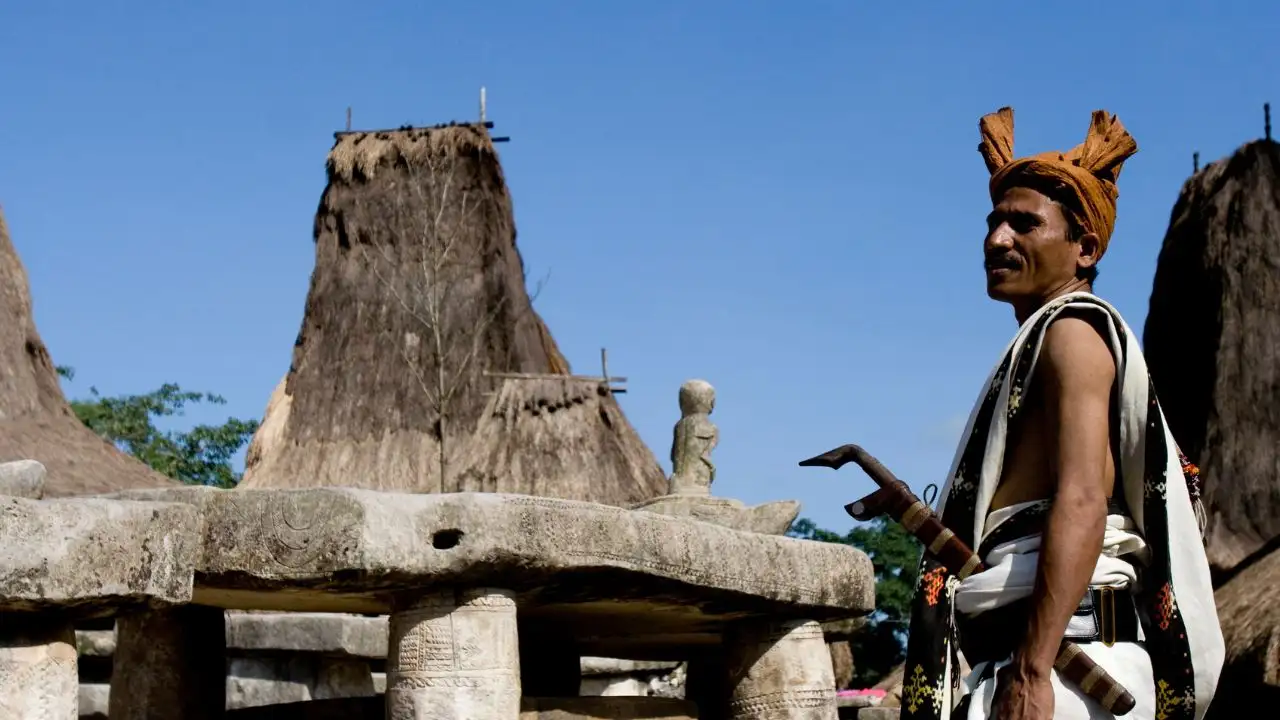
L'une des principales différences entre l'achat d'un bien immobilier à Sumba et celui à Bali réside dans le rôle joué par le régime foncier coutumier.
Même si un vendeur présente un titre foncier BPN valide, des litiges peuvent tout de même survenir. À Sumba, les terres appartenant à un « kabisu », ou clan, sont souvent gérées collectivement selon les traditions « adat ». Le consentement de l'ensemble du clan est tout aussi essentiel que le nom figurant sur le titre.
Les litiges entre les investisseurs et les communautés locales à Sumba sont fréquents. Avant de verser tout acompte, demandez à votre notaire et à votre conseiller juridique de vérifier si le terrain relève du régime de propriété coutumière et de s'assurer que toutes les parties prenantes concernées ont officiellement approuvé la vente.
Si vous ne pouvez pas obtenir la confirmation de ces autorisations, ne procédez pas à l'achat. Ne procédez à aucun paiement tant que toutes les parties n'ont pas donné leur accord explicite.
| Durée | Définition |
|---|---|
| Lettre C | Registre foncier communal tenu de longue date par les autorités locales afin de consigner les droits de propriété foncière et les obligations fiscales liées aux terres. |
| Girik | Document foncier historique instauré pendant la période coloniale néerlandaise en Indonésie, servant de preuve de la possession d'un terrain et du paiement de l'impôt foncier. |
|
Reconnaissance des droits (Pengakuan Hak) |
Une procédure d'enregistrement foncier permettant aux détenteurs de titres fonciers anciens d'obtenir des droits fonciers officiels en remplissant les conditions légales requises, notamment en apportant la preuve d'une possession de longue durée. |
Que doit réellement couvrir votre procédure de vérification préalable ?
Un certificat de propriété sans charge n'est que le point de départ d'une vérification préalable. Avant d'acheter un bien immobilier à Sumba, vous devez vérifier :
- Vérification du registre foncier BPN. Vérifier l'authenticité du certificat, identifier le propriétaire inscrit et vérifier l'absence de charges par l'intermédiaire d'un PPAT agréé.
- Levé cadastral indépendant. Vérifier que les limites physiques correspondent à celles indiquées dans le titre cadastral. Certaines propriétés en bord de mer situées dans des zones isolées peuvent inclure des terrains situés sur l'estran qui ne peuvent légalement faire l'objet d'aménagements.
- Vérification du zonage RTRW et LP2B. Vérifier que le terrain n'est pas classé comme « terre agricole protégée » au titre de la loi n° 41 de 2009, qui restreint le changement d'affectation des sols, quel que soit le statut de propriété.
- Exigences relatives aux marges de recul côtières. Vérifiez les marges de recul côtières applicables directement auprès du Dinas PUPR ou du BPN local, plutôt que de vous fier uniquement aux informations fournies par un agent immobilier.
- Vérification auprès des parties prenantes Adat et Kabisu. S'assurer que toutes les autorisations coutumières requises ont été officiellement consignées par écrit.
Étant donné que la diligence raisonnable à Sumba soulève souvent de multiples questions d'ordre juridique, cadastral et coutumier, le recours à un conseiller juridique expérimenté peut réduire considérablement le risque de litiges coûteux. ILA Global Consulting accompagne les investisseurs tout au long du processus de diligence raisonnable avant la conclusion de toute acquisition.
| Durée | Définition |
|---|---|
|
RTRW (Plan d'aménagement du territoire régional) |
Le plan d'aménagement régional qui définit les utilisations du sol et les aménagements autorisés au sein d'une zone donnée. |
|
LP2B (Terres agricoles destinées à une alimentation durable) |
Terrains classés comme zones de protection agricole à long terme en vertu de la législation indonésienne, pour lesquels la conversion à un usage non agricole est généralement interdite. |
|
Zone côtière (zone de retrait du littoral) |
Une zone tampon côtière protégée dans laquelle les constructions peuvent être limitées ou interdites afin de préserver les écosystèmes côtiers et les intérêts publics. |
Combien coûte l'achat d'un bien immobilier à Sumba ?

Outre le prix d'achat, vous devez également prévoir dans votre budget les taxes et les frais de transaction liés à l'acquisition d'un bien immobilier en Indonésie.
| Taxe / Redevance | Qui paie ? | Taux |
| BPHTB (droits d'acquisition) | Acheteur – s'applique aux droits fonciers enregistrés (Hak Pakai, HGB) | 5 % de la valeur de la transaction dépassant le seuil d'exonération régional |
| PPh Final (impôt sur les plus-values) | Vendeur | 2,5 % de la valeur brute de la transaction |
| Frais de PPAT/frais de notaire | Acheteur (en règle générale) | Réglementé, évolutif en fonction de la valeur des transactions |
| PBB (impôt foncier annuel) | Propriétaire, chaque année | Plafonné à 0,5 % de la valeur imposable évaluée (NJKP) ; le taux effectif dépend de la réglementation locale |
Le « Hak Sewa » est un droit contractuel et non un titre foncier enregistré. De ce fait, les acquéreurs d'un bien en location à long terme ne sont généralement pas assujettis à la taxe BPHTB. Pour les investisseurs particuliers, le « Hak Sewa » peut constituer une option pratique et plus abordable. Le bailleur reste toutefois tenu de s'acquitter de l'impôt sur le revenu sur les loyers qu'il perçoit.
L'Indonésie ne prélève pas d'impôt distinct sur les plus-values immobilières. En revanche, les vendeurs qui cèdent un droit foncier enregistré (Hak Milik, HGB ou Hak Pakai) s'acquittent d'un impôt définitif sur le revenu (PPh Final) de 2,5 %. Cet impôt est calculé sur la valeur brute de la transaction, et non sur le bénéfice réalisé lors de la vente.
Si vous achetez un bien immobilier par l'intermédiaire d'une PT PMA, vous devez également prévoir dans votre budget les frais liés à la constitution de la société, à l'obtention des autorisations nécessaires et au respect des obligations réglementaires.
Que se passe-t-il après la signature de l'acte de vente ?
La conclusion de l'achat n'est qu'un début. De nombreuses zones côtières de Sumba disposent d'infrastructures limitées. Vous devrez prévoir des investissements supplémentaires pour des éléments essentiels tels que l'énergie solaire, les forages, le stockage de l'eau et les voies d'accès, en fonction de l'emplacement de votre propriété.
À Sumba, les travaux de construction prennent généralement plus de temps que dans les marchés développés. Le marché immobilier secondaire étant limité, la vente ou le transfert d'un bail nécessite souvent de la patience et la coopération du propriétaire foncier d'origine.
Pour ces raisons, l'investissement immobilier à Sumba s'inscrit généralement mieux dans une stratégie d'investissement à long terme.
Pour réussir un investissement à Sumba, il ne suffit pas de choisir le bien immobilier adéquat. Il faut également opter pour la structure de propriété appropriée, vérifier le titre foncier et mener à bien une vérification juridique approfondie avant de signer tout contrat.
Si vous envisagez d'acquérir un bien immobilier à Sumba, ILA Global Consulting peut vous aider à déterminer la structure de propriété la plus adaptée, à réaliser une vérification juridique préalable et à vous accompagner tout au long du processus d'acquisition, du début à la fin.
Contactez ILA Global Consulting pour discuter de vos projets d'investissement avant de vous engager dans l'achat d'un bien immobilier.
Foire aux questions
Oui. Bien que les étrangers ne puissent pas détenir personnellement un « Hak Milik » (titre de propriété), ils peuvent acquérir légalement un terrain par l'intermédiaire d'une PT PMA sous le régime du « Hak Guna Bangunan » (HGB), ou recourir à d'autres régimes tels que le « Hak Pakai » ou le « Hak Sewa », en fonction de leurs objectifs.
L'un des principaux risques réside dans l'achat d'un terrain qui n'a pas encore été entièrement enregistré auprès du BPN. De nombreux biens immobiliers à Sumba sont encore inscrits dans les registres traditionnels des villages ou ne disposent que d'une documentation incomplète. Il est donc essentiel de procéder à une vérification juridique approfondie avant de conclure toute transaction.
Cela ne constitue pas un fondement exclusif de la propriété. Depuis le 2 février 2026, les inscriptions « lettre C » et « girik » ne constituent plus une preuve légale de propriété. Elles peuvent toutefois servir de justification à une inscription pour « reconnaissance de droits » auprès du cadastre local, mais cette procédure nécessite des pièces justificatives supplémentaires, notamment une déclaration sous serment attestant d’au moins 20 ans de possession incontestée, et prend plus de temps qu’un transfert classique.
L'achat d'un bien immobilier prend généralement entre trois et six mois, même si ce délai peut être plus long si vous devez créer une PT PMA ou si des vérifications supplémentaires sont nécessaires concernant le régime foncier coutumier.
Pas nécessairement. Une résidence secondaire qui n'est pas destinée à la location à des fins commerciales peut généralement être acquise via un « Hak Pakai » (sous réserve de conditions de résidence) ou un « Hak Sewa » (bail). Une société PT PMA est généralement indiquée si vous avez l'intention de réaliser des travaux immobiliers ou de percevoir des revenus locatifs.